

Some of the most beautiful places in the world are also the most astonishing: temples swallowed by jungle, cities carved into cliffs, islands where wild animals barely notice you.
This list gathers 15 of those wonders, ancient and natural, for your long-term bucket list.
For each one, you’ll find what makes it extraordinary and the single moment worth planning a trip around.
When you’re ready to start booking, our practical guide to 15 places every American should visit covers seasons, routes, and trip lengths. Conditions abroad change, so check the U.S. State Department’s travel advisories before you plan any trip.
The 15 Wonders at a Glance
Ancient Wonders
For history lovers
- Pyramids of Giza, Egypt
- Petra, Jordan
- Angkor Wat, Cambodia
- Stonehenge, England
- Bagan, Myanmar
- Machu Picchu, Peru
Natural Wonders
For wildlife and wild landscapes
- Galápagos Islands, Ecuador
- Patagonia, Chile & Argentina
- Iguazú Falls, Argentina & Brazil
- Avenue of the Baobabs, Madagascar
- Grand Canyon, Arizona, USA
Island & Beach Escapes
For water, sand, and slow days
- Railay West Beach, Thailand
- Whitehaven Beach, Australia
- Le Morne Brabant, Mauritius
- Great Barrier Reef, Australia
Pyramids of Giza, Egypt
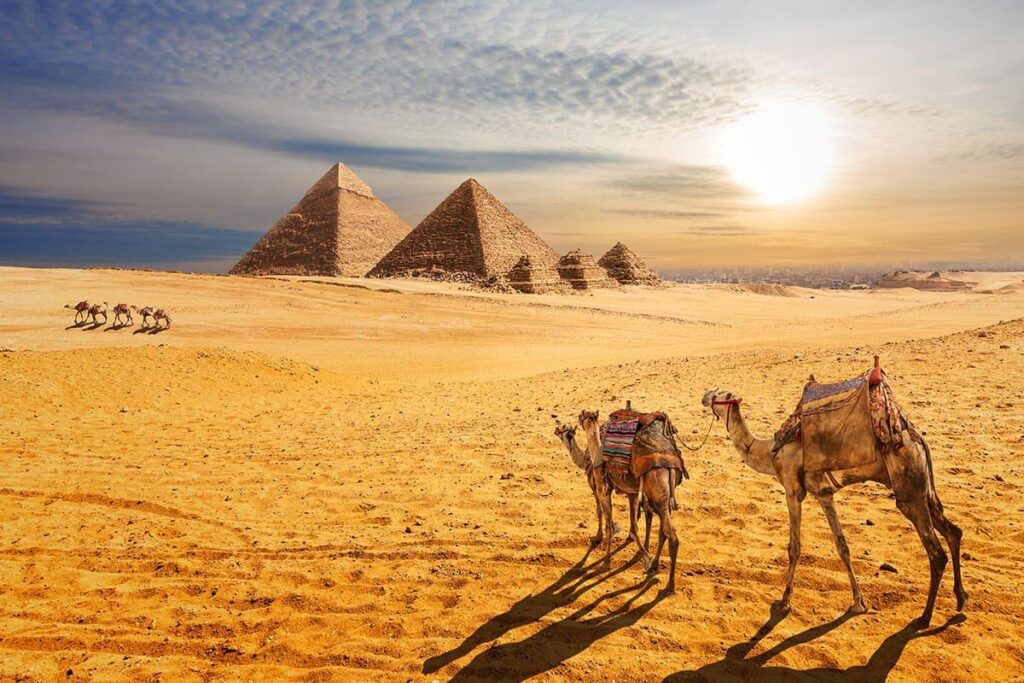
The Pyramids of Giza have drawn travelers for thousands of years, and the Great Pyramid is the only one of the Seven Wonders of the Ancient World still standing.
Seeing its scale in person, then walking down to the Sphinx with the desert stretching behind it, is one of those travel moments that photos never quite capture.
Go as early as you can, before the midday heat and the tour buses. Then pair the visit with the Grand Egyptian Museum, a short distance from the pyramids, which now displays the full collection of treasures from Tutankhamun’s tomb together for the first time.
Egypt’s main tourist areas operate normally, but some remote regions carry stronger travel warnings, so check the current advisory before booking.
Petra, Jordan
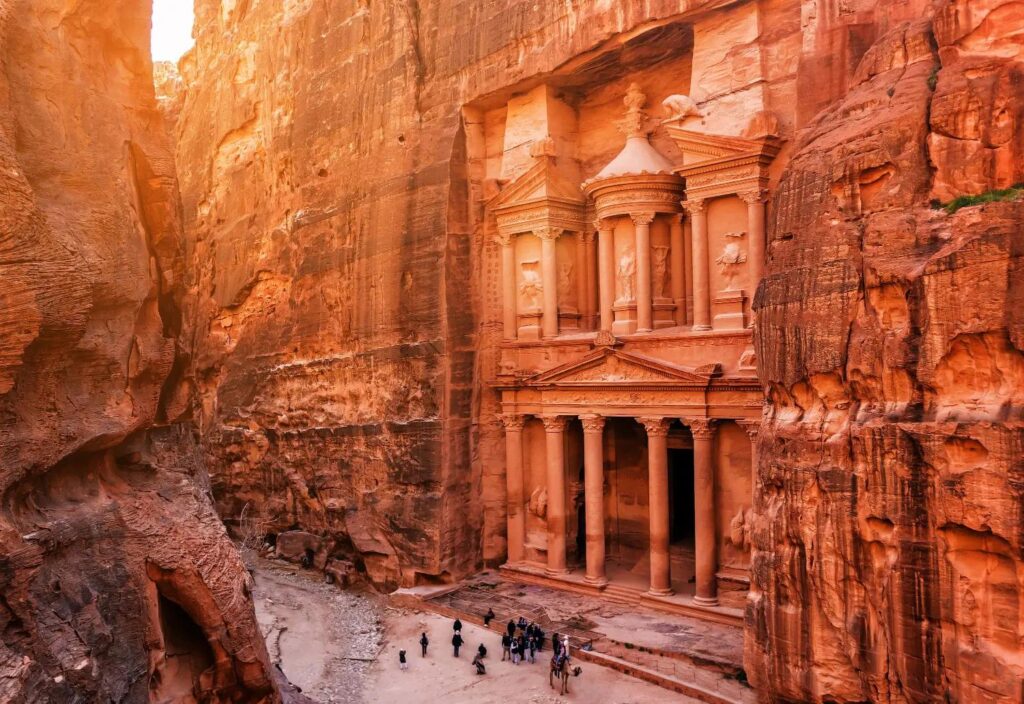
Petra was carved into rose-colored sandstone cliffs by the Nabataeans more than 2,000 years ago, and walking into it still feels like discovering a secret city. Three moments make the trip:
- The walk through the Siq. This narrow canyon winds for close to a mile between towering rock walls, then opens suddenly onto the Treasury, Petra’s most famous facade.
- The climb to the Monastery. About 800 rock-cut steps lead to Petra’s largest carved monument, which sees far fewer visitors than the Treasury.
- Petra by Night. On several evenings a week, the Siq and Treasury are lit by candlelight for an after-dark visit.
Petra involves miles of walking with little shade, so start early and carry water. Jordan’s travel advisory level was raised in 2026 amid regional tensions, so check the latest guidance before you plan.
Angkor Wat, Cambodia
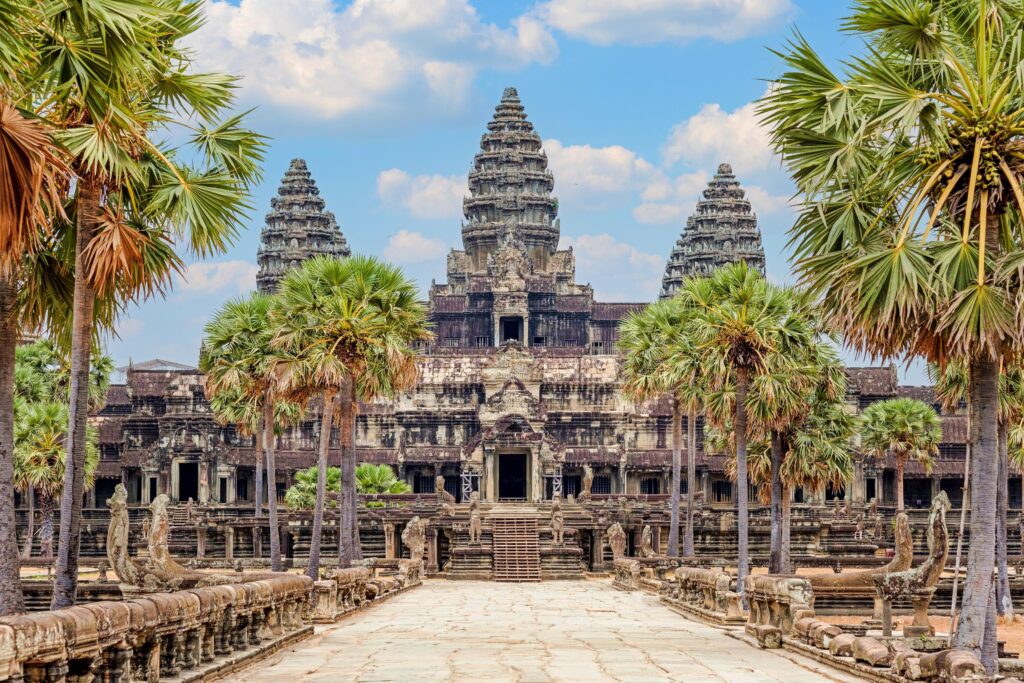
Angkor Wat is the largest religious monument in the world, and sunrise is when it earns its reputation.
Arrive before dawn, find a spot by the reflecting pools, and watch the temple’s five towers appear in silhouette as the sky changes color behind them.
Angkor Wat is only one part of a much larger complex. Three other temples are worth the time:
- Bayon: dozens of towers carved with huge, calm stone faces.
- Ta Prohm: a temple slowly being claimed by giant tree roots.
- Banteay Srei: a smaller temple with some of the finest carving in the region, in pinkish sandstone.
Multi-day passes let you pace your visits around the heat, rather than trying to see everything in one exhausting day.
Stonehenge, England
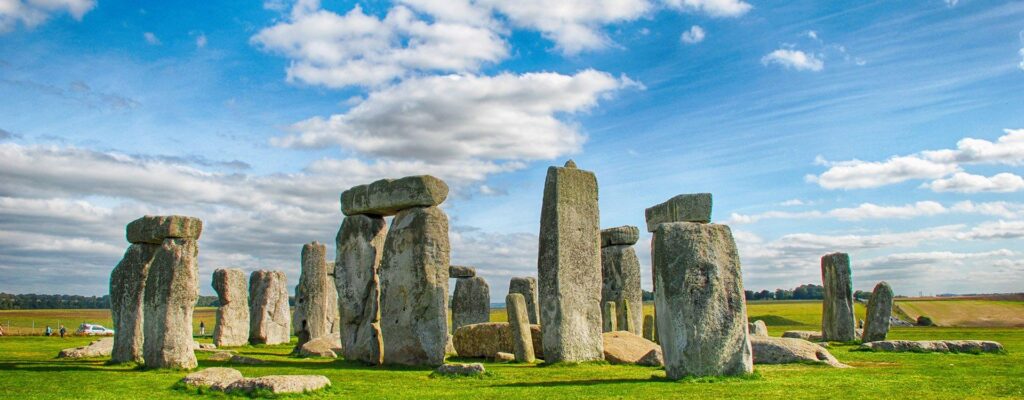
Stonehenge rises from the grassy Salisbury Plain, and its age is what makes it remarkable.
It was built in stages, beginning around 5,000 years ago, with stones hauled from surprisingly far away.
What we know: the large upright stones came from near Marlborough, about 20 miles north; the smaller bluestones came from the Preseli Hills in Wales; and a 2024 study traced the central Altar Stone to northeast Scotland, hundreds of miles away.
What’s still debated: exactly why it was built, and how its builders moved the most distant stones.
Most visitors walk a path around the circle rather than among the stones. The big exception is the summer and winter solstice, when crowds gather to watch the sun line up with the monument.
Galápagos Islands, Ecuador
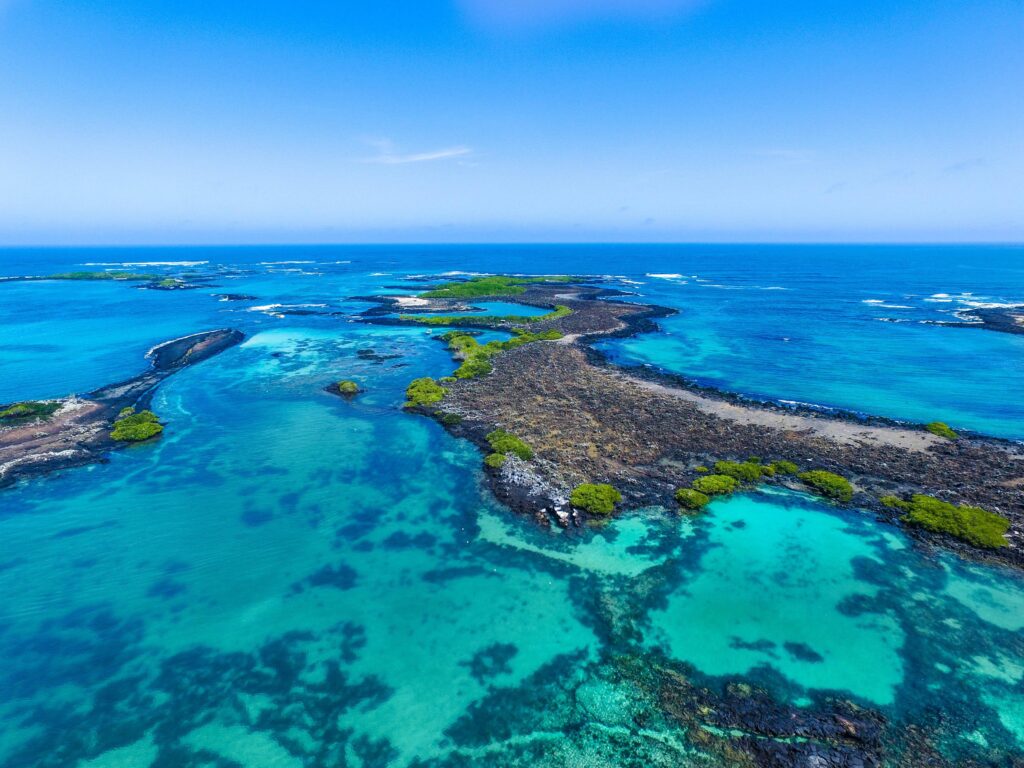
The Galápagos are famous for wildlife that seems almost unbothered by people.
Sea lions nap on park benches, blue-footed boobies dance a few feet away, and giant tortoises graze in the highlands. Snorkeling with sea turtles, penguins, and marine iguanas is part of an ordinary day here.
There are two main ways to visit:
A small-ship cruise reaches more remote islands and spends nights moving between them.
Island-hopping by land means staying in towns on the inhabited islands and taking day trips, which is usually cheaper and better for anyone prone to seasickness.
Either way, protecting the islands comes first. Visitors pay a park entrance fee on arrival, many visitor sites can only be explored with a certified naturalist guide, and everyone keeps a set distance from the animals.
Patagonia, Chile & Argentina
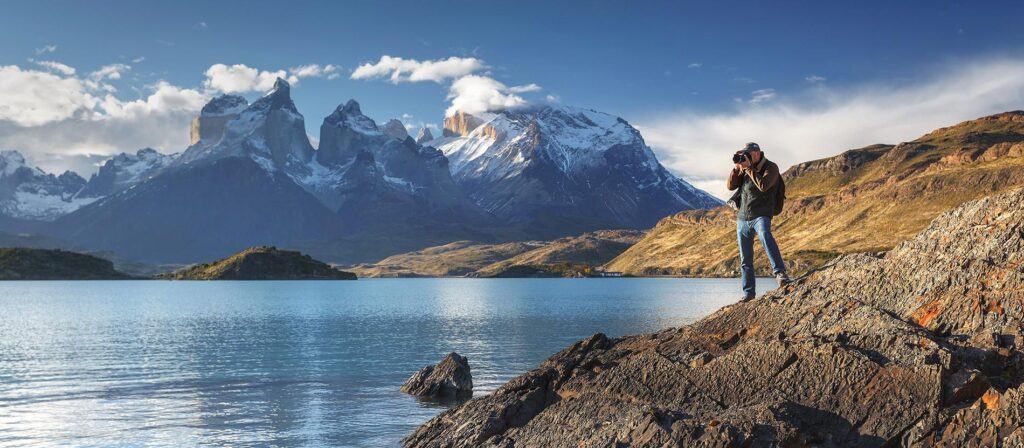
Patagonia feels like the edge of the map. At the southern tip of South America, granite spires rise straight out of the steppe, icefields stretch to the horizon, and the wind is a constant companion.
What makes it a wonder isn’t any single view but the sheer scale of wild land, much of it with no roads at all.
The wildlife adds to the sense of wilderness. Herds of guanacos graze the grasslands, Andean condors circle above the peaks, and at glaciers like Perito Moreno, chunks of ice the size of buildings break away and crash into the lake below.
If you’re starting to plan a trip, our practical guide to Patagonia and 14 other destinations covers which side to visit and when to go.
Iguazú Falls, Argentina & Brazil
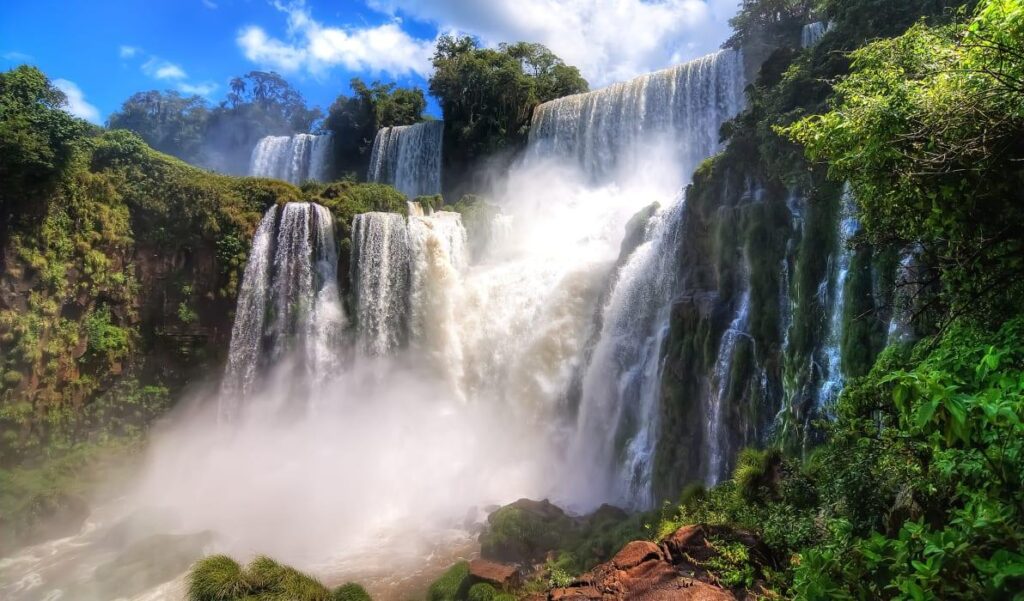
Iguazú isn’t one waterfall but a horseshoe of roughly 275 separate falls spread along the border of Argentina and Brazil, surrounded by subtropical rainforest.
About half of the river’s water pours into a single narrow chasm called the Devil’s Throat, and standing above it, with the roar in your ears and spray soaking through your clothes, is the moment people remember.
You can see the falls from both countries, and each side gives you something different:
Argentina: most of the falls are on this side, with long walkways that take you right over and beside the water, including a trail to the edge of the Devil’s Throat.
Brazil: fewer trails, but the wide panoramic view of the whole horseshoe, plus a walkway out toward the base of the Devil’s Throat.
If you can, see both. Either way, bring a rain jacket or plan to get wet.
Railay West Beach, Thailand
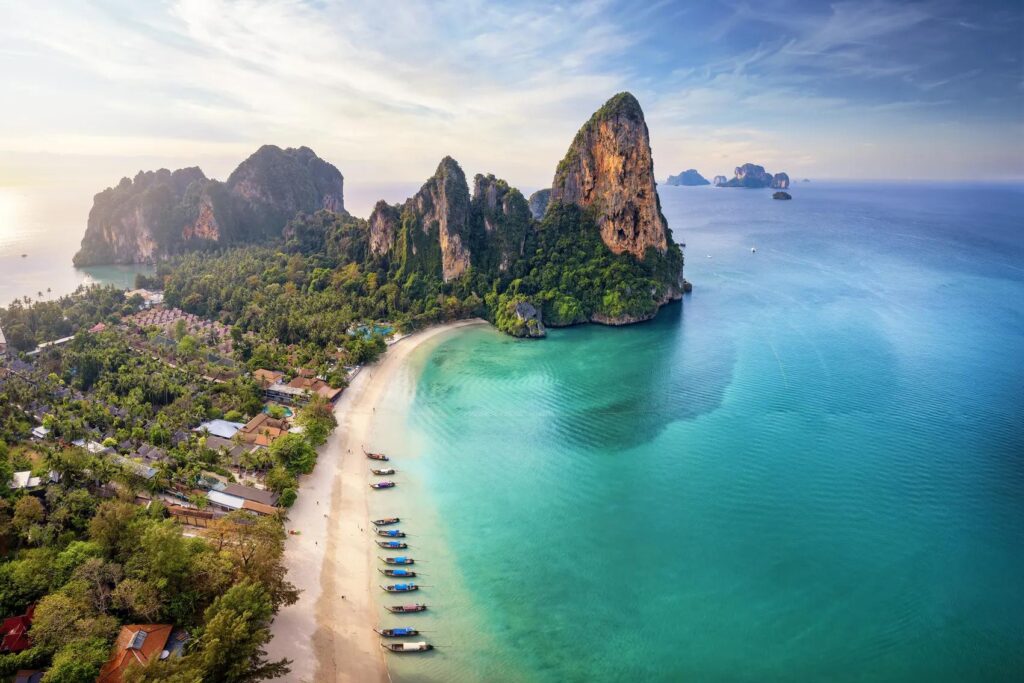
Railay sits on a peninsula in southern Thailand, cut off from the mainland by towering limestone cliffs, so the only way in is by long-tail boat from Ao Nang or Krabi.
That small trip makes a big difference: there are no roads or cars here, just sand, warm water, and karst walls rising out of the sea. Railay is also one of the world’s best-known rock climbing spots, with routes for complete beginners and experienced climbers alike, and a short walk takes you to Phra Nang Cave Beach, framed by cliffs and caves.
Stay until evening. Railay West faces the sunset, and watching the sky turn orange behind the limestone islands is the best moment of the day.
Bagan, Myanmar
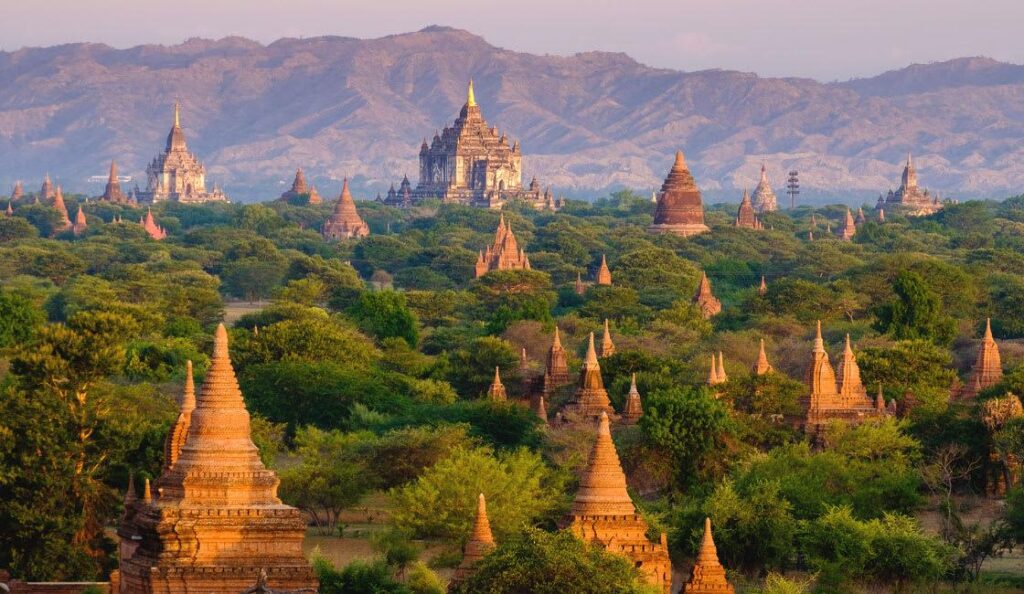
Bagan is one of the great ancient landscapes of Asia. On a wide plain beside the Ayeyarwady River, more than 3,500 temples, stupas, and monasteries survive from the 11th to 13th centuries, when Bagan was the capital of a powerful kingdom.
The site was added to the UNESCO World Heritage List in 2019, and the image of hundreds of brick spires stretching into the morning haze is one of the most remarkable views anywhere.
For now, though, Bagan is a wonder to learn about rather than visit.
Travel Advisory
The U.S. State Department currently advises Americans not to travel to Myanmar (Burma).
The country is under the highest advisory level because of ongoing armed conflict, landmines, and limited ability to help U.S. citizens in an emergency. Please don’t plan a trip while this advisory is in place.
Check the current advisory on travel.state.gov before considering any future visit.
Whitehaven Beach, Australia
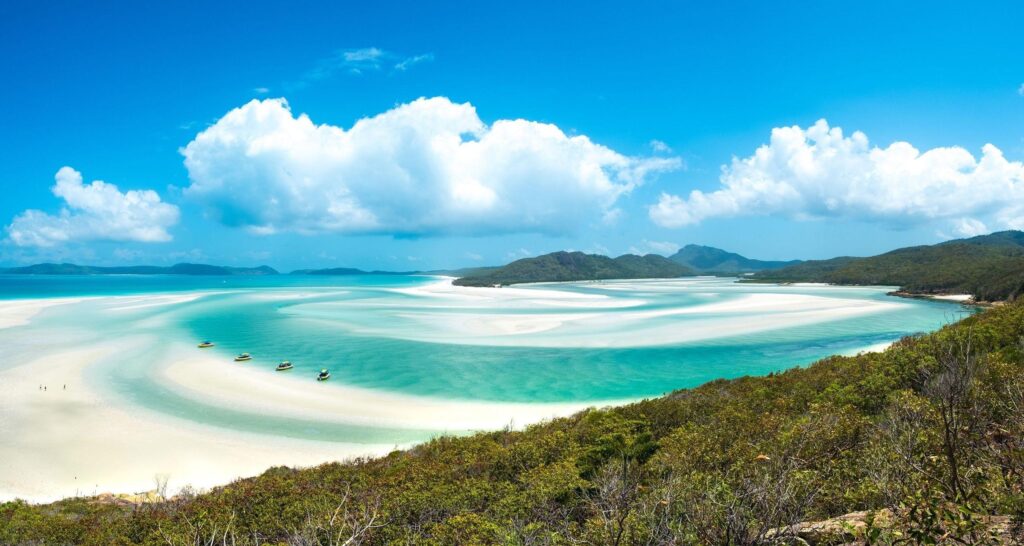
Whitehaven Beach runs for about four miles along Whitsunday Island in Queensland, and its sand is what sets it apart.
It’s made of about 98% silica, so fine and bright white that it squeaks underfoot and stays comfortable to walk on even on hot days.
The water ranges from pale aqua to deep blue, and the whole beach sits inside a national park with no hotels or development.
How to see it at its best:
Plan around stinger season. From roughly November to May, wear a stinger suit when you swim.
Walk up to the Hill Inlet lookout at the northern end. At low tide, the sand and turquoise water swirl together into the patterns you’ve seen in photos.
Get there by boat, seaplane, or helicopter. Day trips leave from Airlie Beach on the mainland, and some flights land right on the sand.
Avenue of the Baobabs, Madagascar
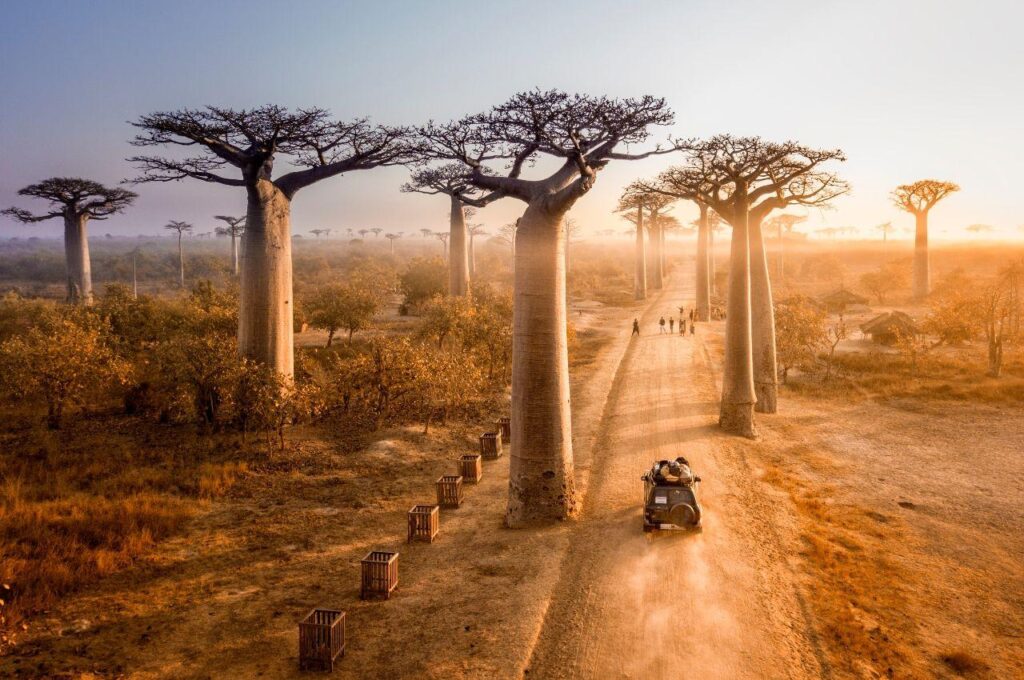
On a dusty road in western Madagascar, about 20 giant baobab trees stand in a line, their thick trunks rising nearly 100 feet before ending in a small crown of branches.
They look almost upside down, as if someone planted them roots-first. Many are believed to be several centuries old, survivors of a dense forest that once covered this land before it was cleared for farming.
Come at sunrise or sunset, when the trunks turn gold and then fade into dark silhouettes against a pink and orange sky.
The avenue is remote, near the town of Morondava on the west coast, and the trees are now protected, so stay on the road and give them room.
Madagascar is home to more baobab species than anywhere else on Earth, which makes this stretch of road a small window into a much larger natural story.
Le Morne Brabant, Mauritius
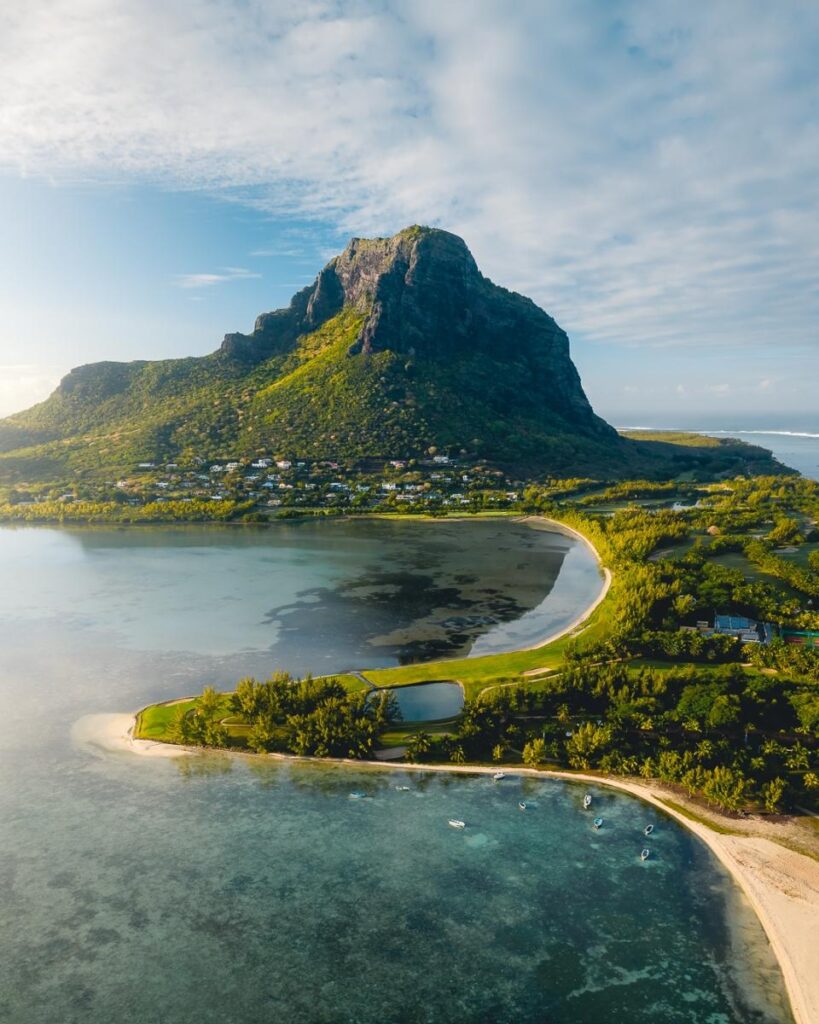
Le Morne Brabant is a dramatic basalt mountain rising more than 1,800 feet from the southwest tip of Mauritius, ringed by palm-lined beaches and pale turquoise lagoons.
It’s beautiful on its own, but its history is what makes it a wonder. In the 18th and early 19th centuries, people who escaped slavery took refuge in the mountain’s caves and on its almost inaccessible summit, and Le Morne became a lasting symbol of the fight for freedom.
That story earned it a place on the UNESCO World Heritage List in 2008.
From the air, the lagoon off the peninsula reveals something surprising: sand and silt sliding off the edge of the shelf create the illusion of an underwater waterfall. Scenic flights over the coast are the best way to see it.
Tip: guided hikes up Le Morne reward you with wide views over the lagoon, but the upper section is steep and rocky, so go with a guide and start early.
Machu Picchu, Peru
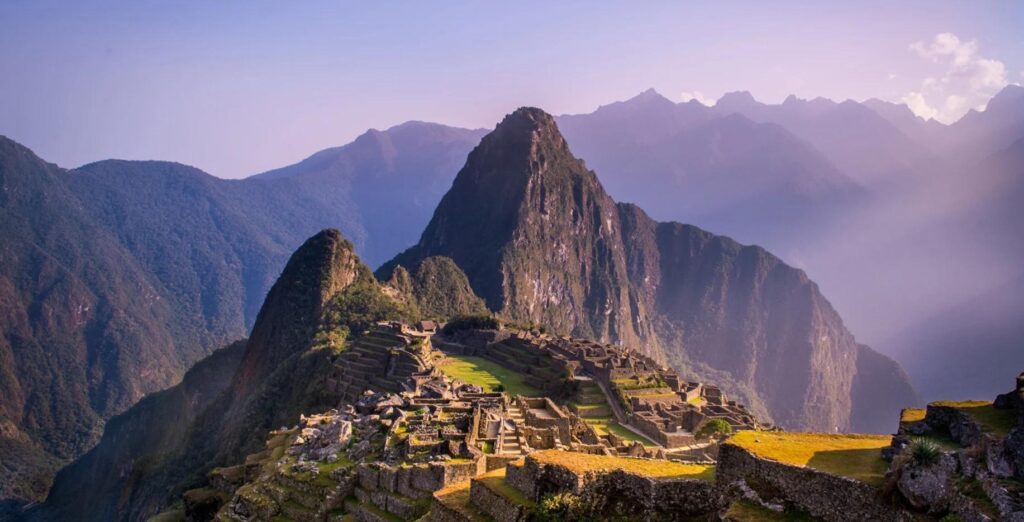
Machu Picchu sits on a ridge high in the Andes, and its story is as remarkable as its setting.
Archaeologists believe the Inca built it around 1450 as a royal estate for the emperor Pachacuti, then abandoned it about a century later, around the time of the Spanish conquest.
The polished stone walls, fitted together without mortar, have survived centuries of earthquakes.
The site was never truly lost. Local farmers knew it well and still worked some of its terraces when the American explorer Hiram Bingham, guided by local residents, brought it to international attention in 1911.
If you’re starting to plan a visit, our practical guide covers tickets, routes, and altitude.
Great Barrier Reef, Australia
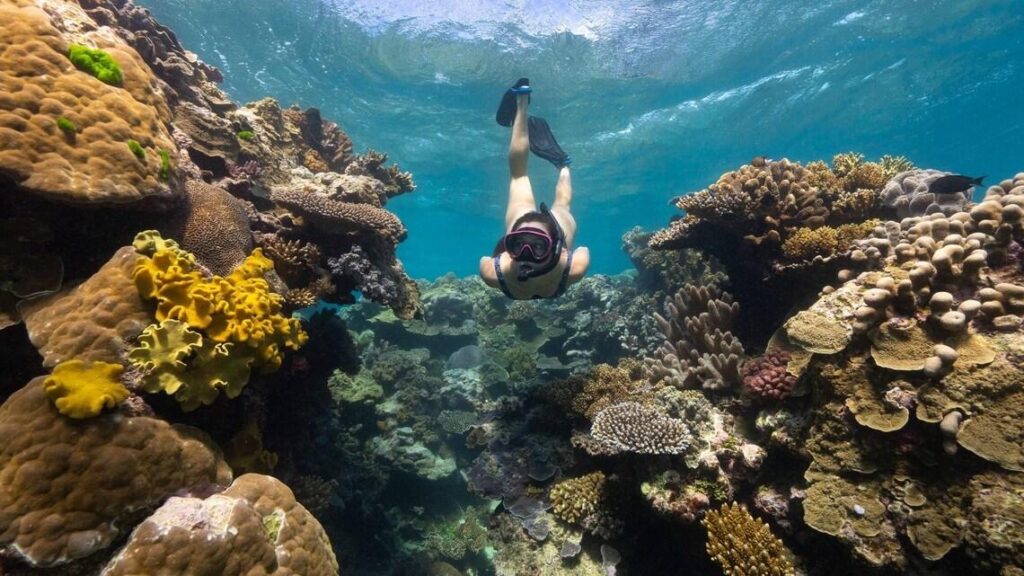
The Great Barrier Reef is the largest coral reef system on Earth, stretching about 1,400 miles along Australia’s northeast coast and made up of roughly 3,000 individual reefs and hundreds of islands.
Below the surface, it’s a whole living world: coral gardens in every shape and color, sea turtles drifting past, reef sharks, manta rays, and fish in impossible numbers. It’s also fragile, so how you visit matters.
Our practical guide covers when to go, stinger season, and how to choose a responsible tour.
Grand Canyon, Arizona, USA
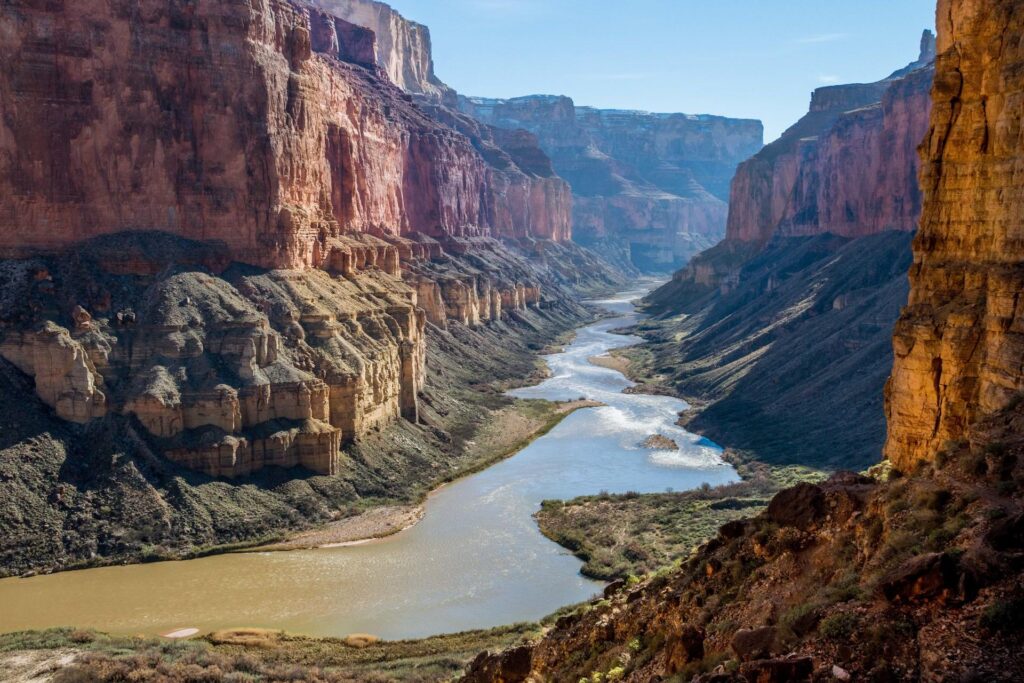
Every other wonder on this list needs a passport. This one doesn’t. The Grand Canyon is a mile deep and up to 18 miles wide, and its layered red and gold rock walls record nearly two billion years of Earth’s history.
Standing at the rim as the light changes at sunrise or sunset is one of the great travel experiences anywhere, and it’s right here at home.
South Rim: open year-round, with the most viewpoints, lodging, and services. It’s where most visitors start.
North Rim: higher, cooler, and much quieter, open seasonally. It reopened in 2026 after a major 2025 wildfire destroyed the historic Grand Canyon Lodge, so services are limited and overnight lodging inside the park isn’t available there for now.
Check the National Park Service’s current updates before you go.
These 15 wonders cover a lot of ground: ancient cities and temples for history lovers, wild landscapes and wildlife for nature fans, and island escapes for anyone who needs slow days by the water.
You don’t have to see them in any order. Start with the one closest to home, or the one that matches the next long trip you can take, and let the list grow from there.
When you’re ready to plan, our practical guide to 15 places every American should visit has seasons, routes, and trip lengths, and our list of 13 beautiful places in nature around the world offers even more inspiration.
Save this list to Pinterest and tick them off as you go.
My Wonders Bucket List
Print it, pin it, and check them off one by one.
- Pyramids of Giza, Egypt
- Petra, Jordan
- Angkor Wat, Cambodia
- Stonehenge, England
- Galápagos Islands, Ecuador
- Patagonia, Chile & Argentina
- Iguazú Falls, Argentina & Brazil
- Railay West Beach, Thailand
- Bagan, Myanmar (someday)
- Whitehaven Beach, Australia
- Avenue of the Baobabs, Madagascar
- Le Morne Brabant, Mauritius
- Machu Picchu, Peru
- Great Barrier Reef, Australia
- Grand Canyon, Arizona, USA