
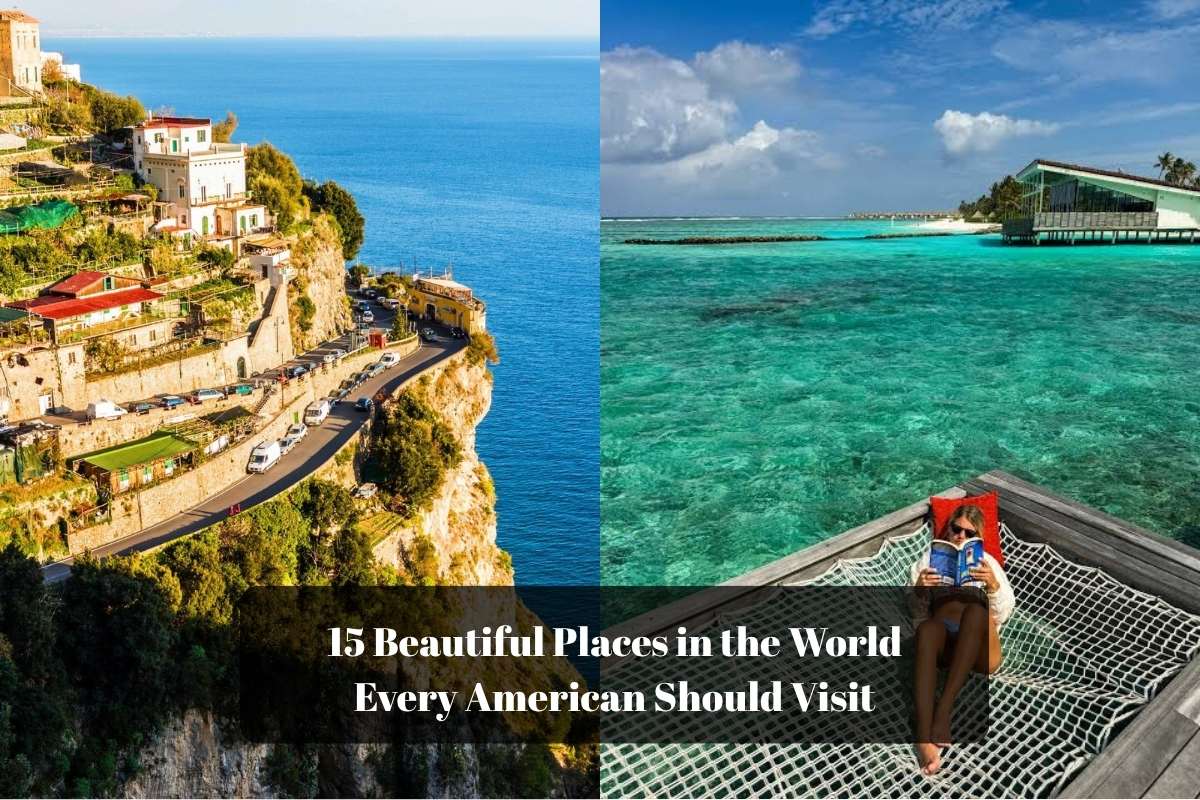
Seeing more of the world is one of the best reasons to renew a passport. These beautiful places in the world range from volcanic islands and ancient ruins to alpine villages and coral reefs, and each one offers something you can’t quite find at home.
This list covers 15 destinations, along with the practical basics a US traveler needs before booking: when to go, how to get there, and how long to stay. Before any international trip, check that your passport has plenty of validity left and review the destination’s page on the U.S. State Department’s travel site, since entry and visa rules change.
| Destination | Best time to go | Getting there from the US | Ideal stay | Trip style |
|---|---|---|---|---|
| Santorini | Late Apr–Jun, Sep–Oct | Connect via Athens or a European hub | 3–4 days | Island |
| Banff | Jun–Sep; Dec–Mar for snow | Fly into Calgary, then drive about 1.5 hours | 4–5 days | Outdoors |
| Kyoto | Late Mar–early Apr, Nov | Fly into Osaka or Tokyo, then take the train | 3–4 days | Culture |
| Amalfi Coast | May–Jun, Sep | Fly into Naples, then ferry, bus, or transfer | 4–5 days | Coastal |
| Bora Bora | May–Oct (drier season) | Nonstop to Tahiti from the West Coast, then a short flight | 5–7 days | Beach |
| Swiss Alps | Jun–Sep; Dec–Mar for skiing | Fly into Zurich or Geneva, then take the train | 5–7 days | Outdoors |
| Machu Picchu | May–Sep (dry season) | Fly to Lima, then Cusco, then train or trek | 4–6 days incl. Cusco | History |
| Iceland’s South Coast | Jun–Aug; Sep–Mar for northern lights | Nonstop flights to Reykjavík from several US cities | 3–5 days | Road trip |
| Paris | Apr–Jun, Sep–Oct | Nonstop flights from many US cities | 4–5 days | City |
| Queenstown | Dec–Feb; Jun–Aug for skiing | Connect through Auckland or another NZ/Australian hub | 4–6 days | Adventure |
| Cappadocia | Apr–Jun, Sep–Oct | Fly to Istanbul, then a domestic flight | 2–3 days | Scenic |
| Great Barrier Reef | Jun–Oct | Fly to Sydney or Brisbane, then Cairns | 4–6 days | Beach |
| Dubrovnik | May–Jun, Sep–Oct | Connect via a European hub | 2–3 days | History |
| Patagonia | Nov–Mar | Via Santiago or Buenos Aires, then a domestic flight | 7–10 days | Outdoors |
| Maldives | Dec–Apr (drier season) | Connect via a Middle East or European hub | 5–7 days | Beach |
Seasons and routes are general guidance. Check current schedules and conditions before booking.
Santorini, Greece
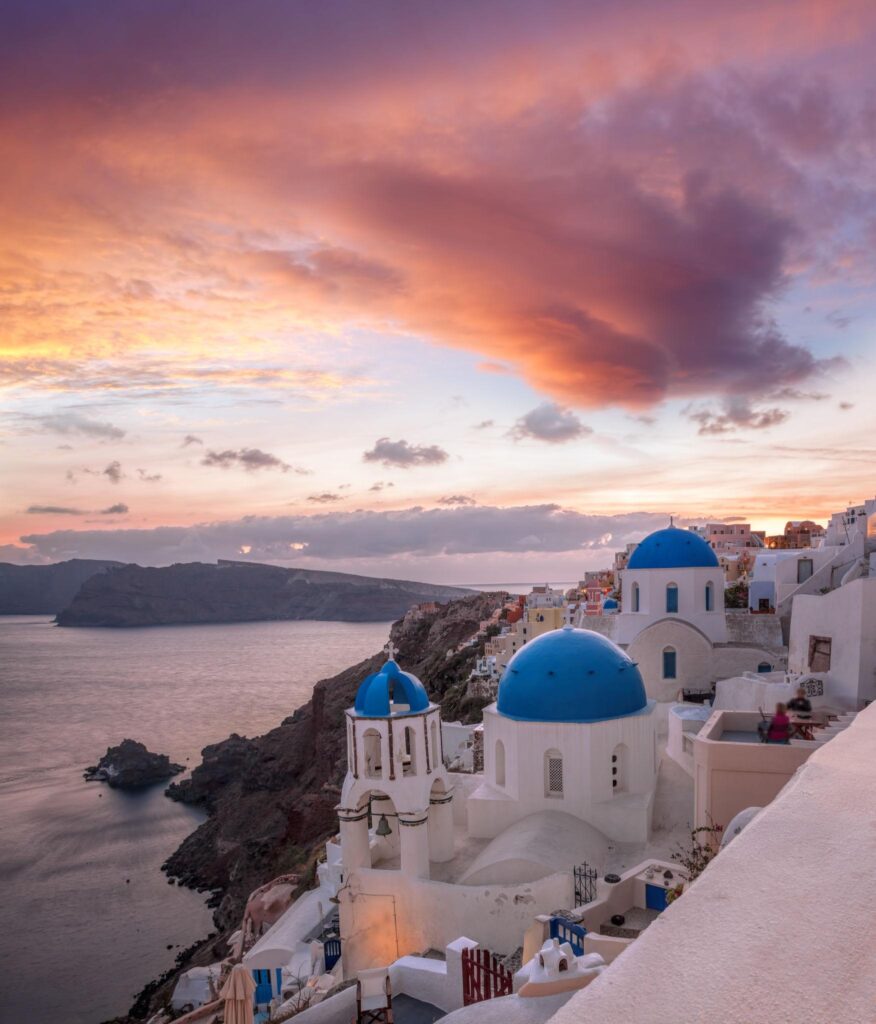
Few places are as instantly recognizable as Santorini: whitewashed houses, blue-domed churches, and cliffs dropping into the Aegean. Wander Oia’s lanes, eat fresh seafood and tomato fritters, swim off the island’s dark volcanic beaches, and catch at least one sunset over the caldera.
That popularity comes with crowds. Oia’s sunset viewpoints fill up well before evening in summer, so it’s worth watching from quieter spots along the caldera path, such as Imerovigli or Firostefani. The island has also introduced daily limits on cruise passengers to ease congestion, but late spring and early fall are still the best balance of warm weather and breathing room.
Banff National Park, Canada
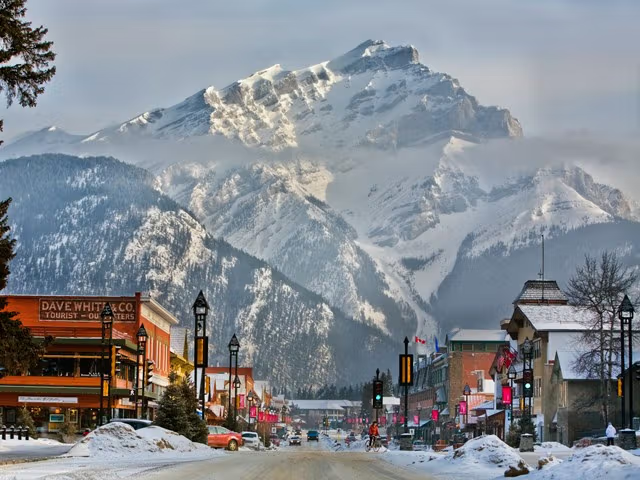
Banff has some of the most dramatic mountain scenery in North America: turquoise lakes under steep peaks, waterfalls, forests, and plenty of wildlife. It’s an easy first international trip for many Americans, since it’s a short flight to Calgary followed by a scenic drive.
Plan ahead:
Give wildlife space. Parks Canada advises keeping a large distance from animals (about 100 meters, or 330 feet, from bears), and never feeding them.
Buy a park pass. You need a Parks Canada pass to stop in the park.
Book the lake shuttle early. Moraine Lake’s road is closed to personal vehicles, so you’ll need a Parks Canada shuttle, public transit, or a licensed tour. Shuttle seats are released in spring and go fast.
Expect summer crowds. July and August are busiest. Early mornings are calmer at popular lakes and trailheads.
Kyoto, Japan
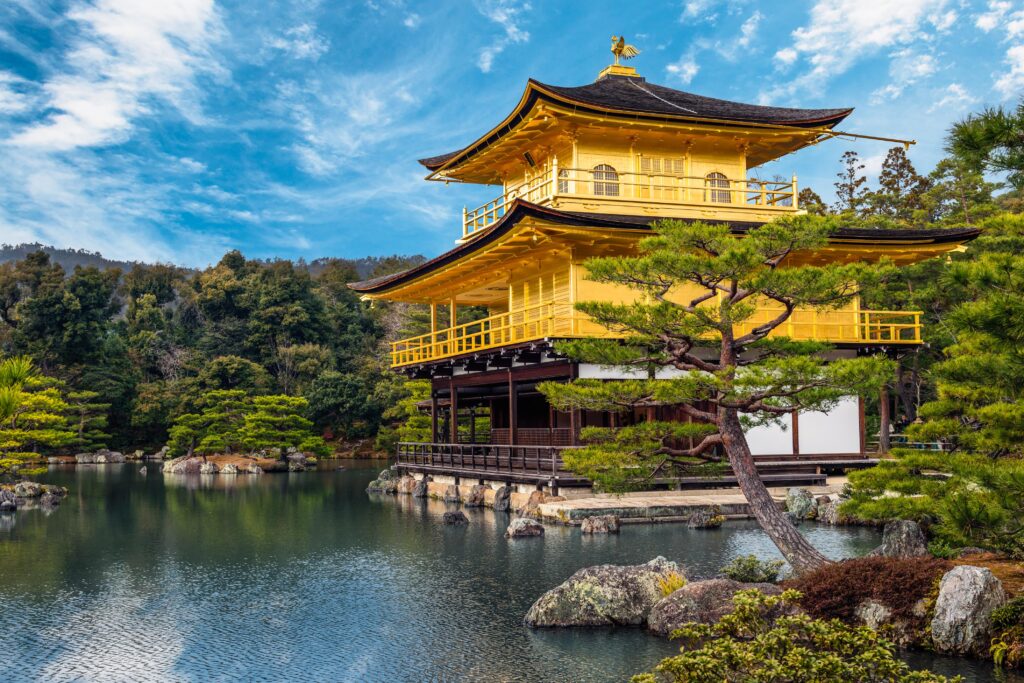
Kyoto blends centuries of tradition with quiet natural beauty. You can spend a day moving between temples and shrines, walk through the Arashiyama bamboo grove, and finish in a traditional garden or a small teahouse.
Timing shapes the whole experience:
- Spring (late March to early April): cherry blossom season. Beautiful, but the busiest and priciest time.
- Summer: hot and humid, with fewer international visitors.
- Autumn (mostly November): maple trees turn the hillsides red and orange. Nearly as popular as spring.
- Winter: cold and quiet, with the shortest lines at major sights.
In the historic Gion district, stay on the main streets. Local residents have restricted access and photography in the narrow private alleys, and you should never chase or photograph geiko or maiko without permission.
Amalfi Coast, Italy
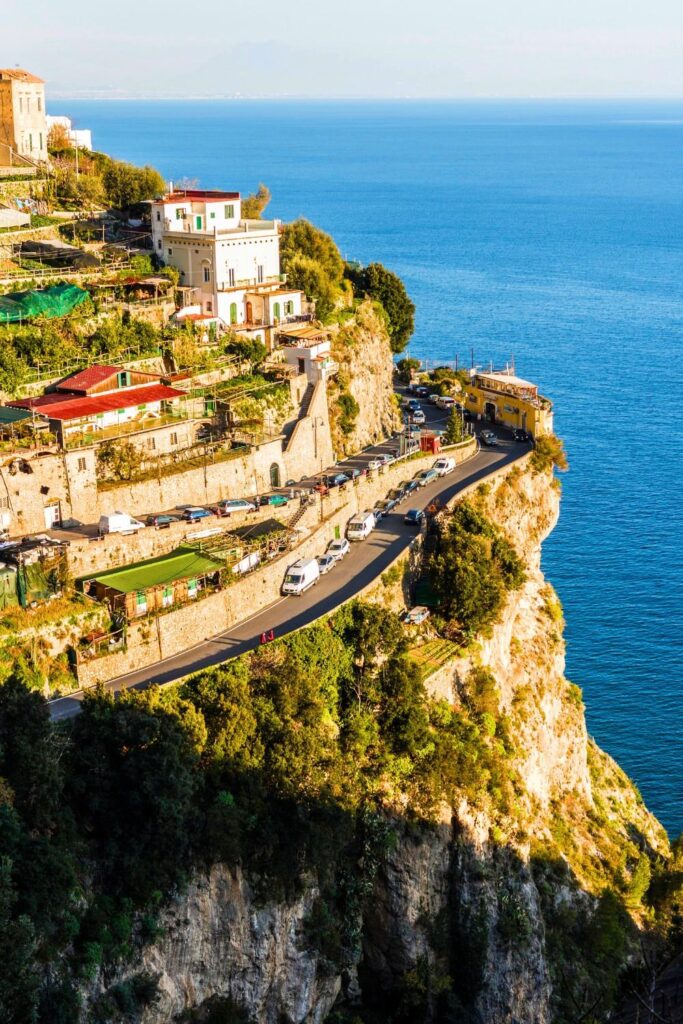
The Amalfi Coast strings together cliffside villages, lemon groves, and bright blue water.
Positano is the postcard view, Amalfi town has the cathedral and a busy harbor, and hilltop Ravello offers gardens and quieter evenings.
Getting around takes some planning. The coastal road is narrow, winding, and crowded in summer, so many visitors skip driving and use ferries (which run mainly from spring to fall) and local buses instead.
Where you stay matters too: Positano is scenic but steep and expensive, Amalfi is central for ferries, and Sorrento, just off the coast, has more transport options and often lower prices.
Bora Bora, French Polynesia
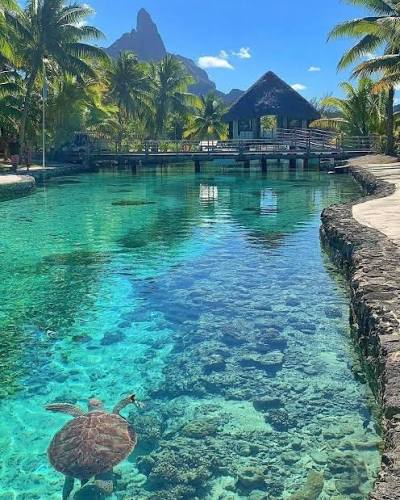
Bora Bora is famous for its turquoise lagoon and overwater bungalows. Snorkeling with reef fish, paddleboarding across calm water, and watching the sun go down behind Mount Otemanu are the classic days here.
It’s closer than many Americans expect. Nonstop flights to Tahiti leave from the West Coast, and from there a short inter-island flight takes you to Bora Bora. All international visitors connect through Tahiti, so leave time for that transfer.
Splurge vs. save: an overwater bungalow is the bucket-list splurge. For a lower-cost stay, family-run guesthouses on the island, paired with a full-day lagoon tour, give you the same water and views for much less.
Swiss Alps, Switzerland
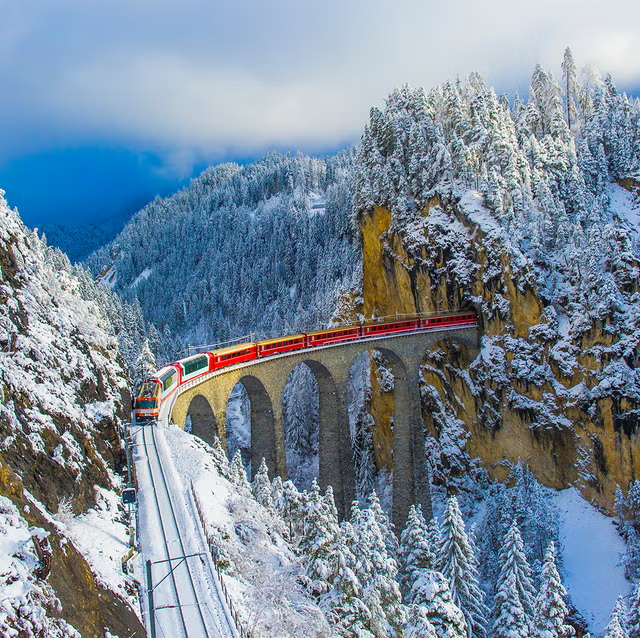
The Swiss Alps look good in every season: snowy peaks and ski runs in winter, wildflower meadows and hiking trails in summer, and storybook villages all year.
One of the best parts is how easy it is to get around without a car. Switzerland’s trains connect most mountain towns, and scenic routes like the Glacier Express and Bernina Express turn the journey into part of the trip.
Where you stay shapes the whole visit. Three popular bases:
- Zermatt: a car-free village at the foot of the Matterhorn, with year-round skiing and hiking.
- Grindelwald: a lively hub for the Jungfrau region, with cable cars and trails right from town.
- Lauterbrunnen: a valley lined with waterfalls and cliffs, quieter and often a little less expensive.
Switzerland is pricey, so a rail pass can help if you plan to move around a lot. Compare it against point-to-point tickets for your actual route before buying.
Machu Picchu, Peru
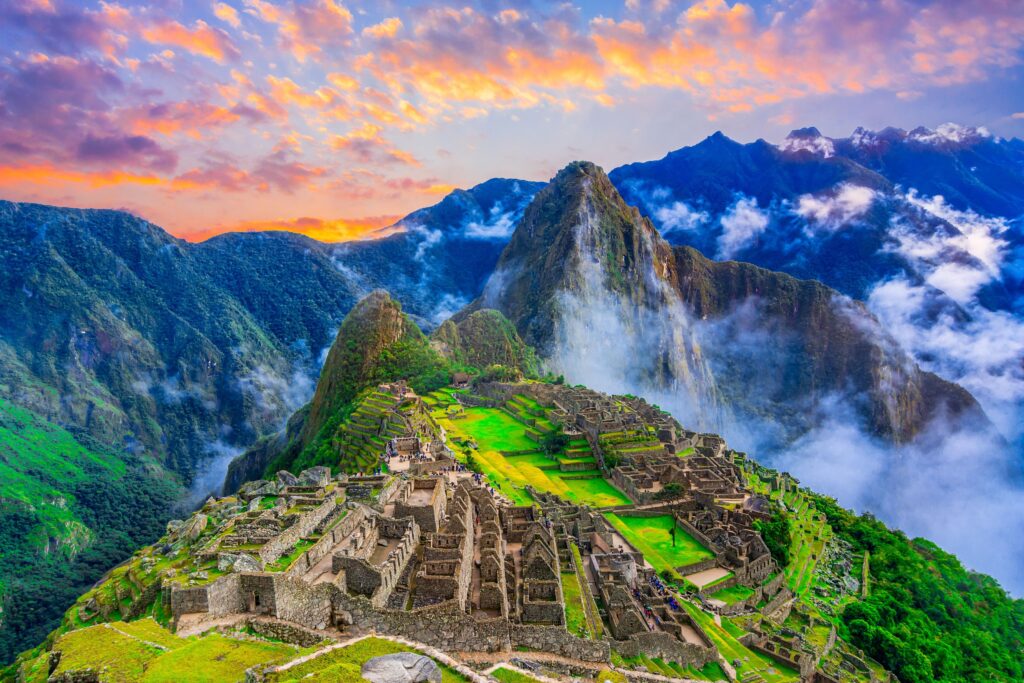
High in the Andes Mountains, Machu Picchu is one of the world’s most remarkable archaeological sites.
Walking through the Inca terraces and stone temples with clouds drifting over the surrounding peaks is the moment many travelers build a whole South America trip around.
Visiting takes more planning than most destinations on this list. Entry is now tightly managed, with set routes through the site and limited daily tickets, so the details matter.
Machu Picchu: Before You Book
Buy tickets early from the official site
Tickets are tied to a specific circuit and entry time. Popular dates and mountain add-ons sell out, so book as soon as your dates are set.
Choose your circuit carefully
Routes through the site are one-way and differ in what you see. Check that yours includes the views you want before paying.
Plan the Inca Trail months ahead
Trail permits are limited and only available through licensed tour operators. Most visitors take the train to Aguas Calientes instead.
Give yourself time to acclimatize
Cusco sits above 11,000 feet. Many travelers spend their first nights in the lower Sacred Valley and take it easy for a day or two.
Build in buffer time
Entry times are enforced. Line up your train, the bus up to the site, and your ticket slot with room to spare.
Iceland’s South Coast
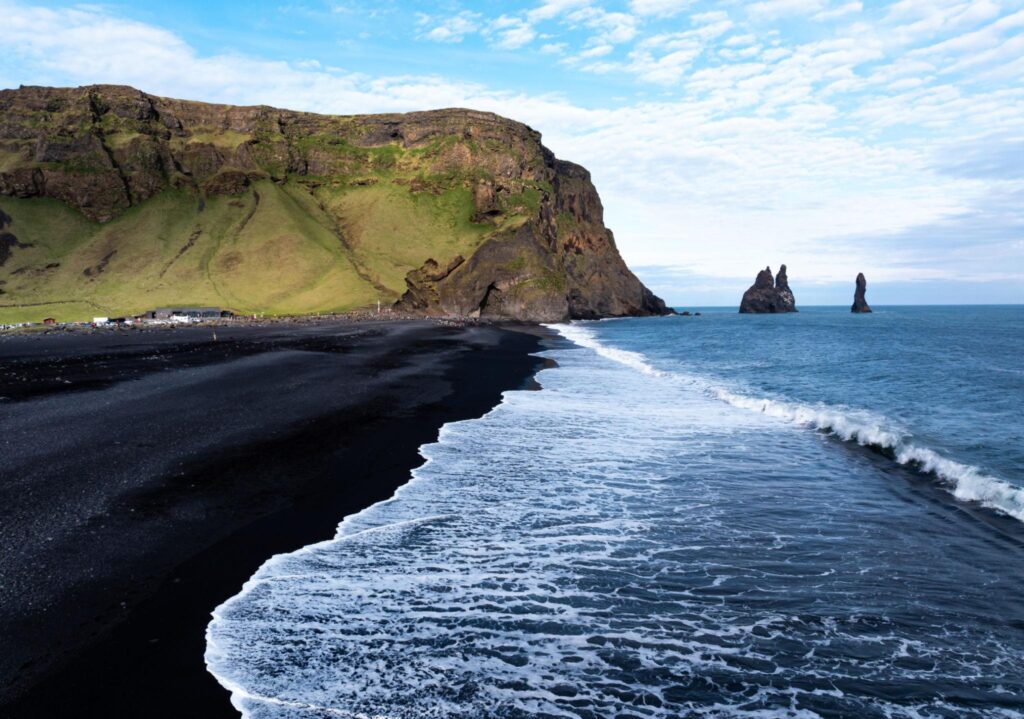
Iceland’s South Coast packs an astonishing amount into one road.
In a few days you can walk behind the Seljalandsfoss waterfall, feel the spray at Skógafoss, stand on the black sand near Vík, hike on a glacier with a guide, and watch icebergs drift through the Jökulsárlón lagoon.
Most travelers rent a car in Reykjavík and drive the Ring Road east, stopping as often as the weather allows.
That weather is the one thing to respect. It changes quickly, and some of the most famous stops come with real risks.
Stay Safe on Iceland’s South Coast
- Reynisfjara beach: sudden “sneaker waves” can surge far up the sand without warning. Follow the color-coded warning lights, stay well back from the water even when the sea looks calm, and never turn your back on the waves.
- Check conditions daily: look at road and weather updates before you set out each morning, especially outside summer.
- Respect closures: don’t step past ropes at waterfalls or glacier edges. Ice and wet rock are more unstable than they look.
- Glaciers need a guide: book glacier hikes and ice cave visits with a certified operator rather than going alone.
Paris, France
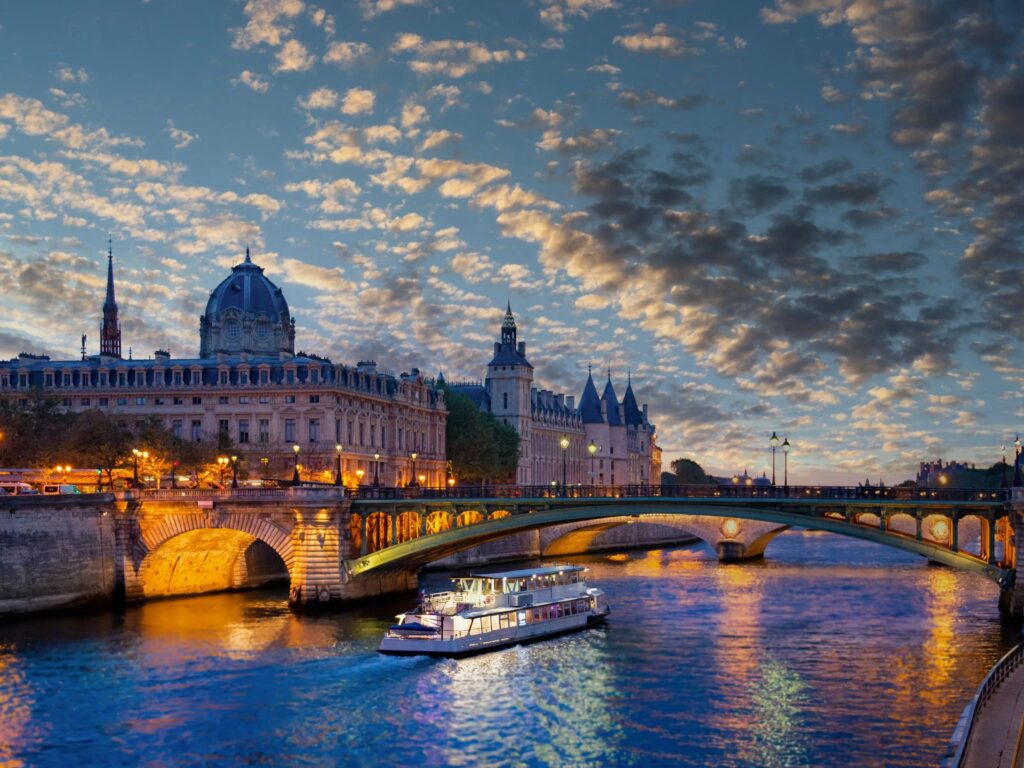
Paris is far more than the Eiffel Tower. Its real charm is in the neighborhoods, each with a different personality. Le Marais mixes old mansions, small museums, and busy cafés.
Saint-Germain-des-Prés has bookshops and classic Left Bank terraces. Montmartre still feels like a hilltop village, and the Canal Saint-Martin is where locals picnic along the water on warm evenings.
Spend part of every day wandering one neighborhood without a plan, and the city opens up.
The big museums do take some planning. Book timed entry for the Louvre in advance (reservations are required during busy periods), and consider the Musée d’Orsay or a smaller museum like the Musée Rodin for a calmer afternoon.
Queenstown, New Zealand
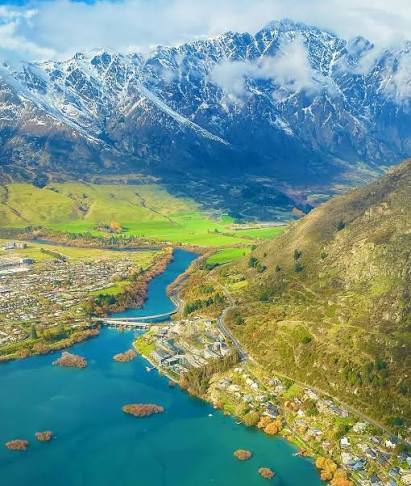
Queenstown sits on the shore of Lake Wakatipu, ringed by jagged mountains, and it’s known for adventure. Bungee jumping, jet boating, paragliding, and skiing all started or thrive here.
But it’s just as good for a slower trip, with lakeside walks, scenic cruises, and wineries in the nearby Gibbston Valley. Summer brings long days for hiking, and winter turns it into a ski town.
The most popular outing from Queenstown is Milford Sound, and it’s worth knowing that it’s a very long day: about four to four and a half hours of driving each way.
Rather than driving there and back yourself, many visitors take a coach tour, book a fly-cruise-fly trip that swaps the return drive for a scenic flight, or spend a night in Te Anau to break up the journey.
Cappadocia, Turkey
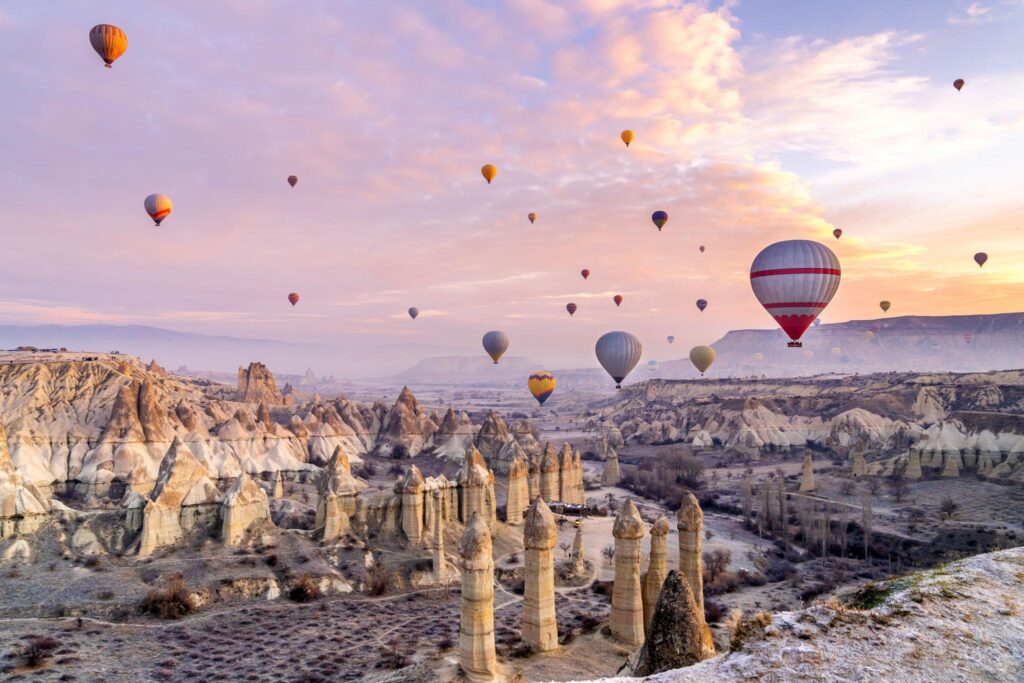
Sunrise in Cappadocia is the reason many people come. On good mornings, dozens of hot air balloons lift off together and drift over fairy chimneys, cave houses, and soft pink valleys.
On the ground, you can explore underground cities carved deep into the rock, cave churches with old frescoes at the Göreme Open-Air Museum, and hiking trails through valleys like Rose and Love Valley. Staying in a cave hotel is part of the fun.
Plan for the weather: balloon flights depend entirely on wind and conditions, and cancellations are common, sometimes several days in a row.
Book your flight for your first morning and stay at least two or three nights, so you have backup mornings if it’s called off.
Great Barrier Reef, Australia
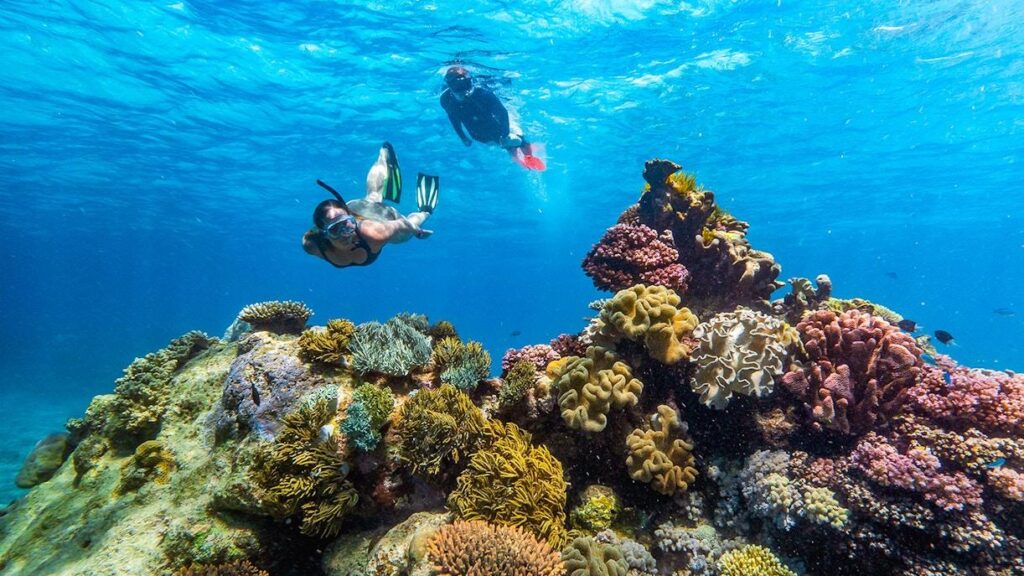
Stretching roughly 1,400 miles along Queensland’s coast, the Great Barrier Reef is the largest coral reef system on Earth.
Snorkeling or diving here means coral gardens, reef fish, sea turtles, and rays, and even a glass-bottom boat or semi-submersible gives non-swimmers a look. Most trips leave from Cairns or Port Douglas, with the outer reef usually offering clearer water than closer sites.
A few things help you visit well:
Aim for the dry season (about May to October) for calmer seas and the most reliable visibility.
Choose an eco-certified operator. Many tour companies support reef monitoring and use low-impact moorings.
Pack reef-safe sunscreen, and avoid touching or standing on coral.
Know the stinger season. From roughly November to May, jellyfish are more common, and operators provide or require full-body stinger suits.
Dubrovnik, Croatia
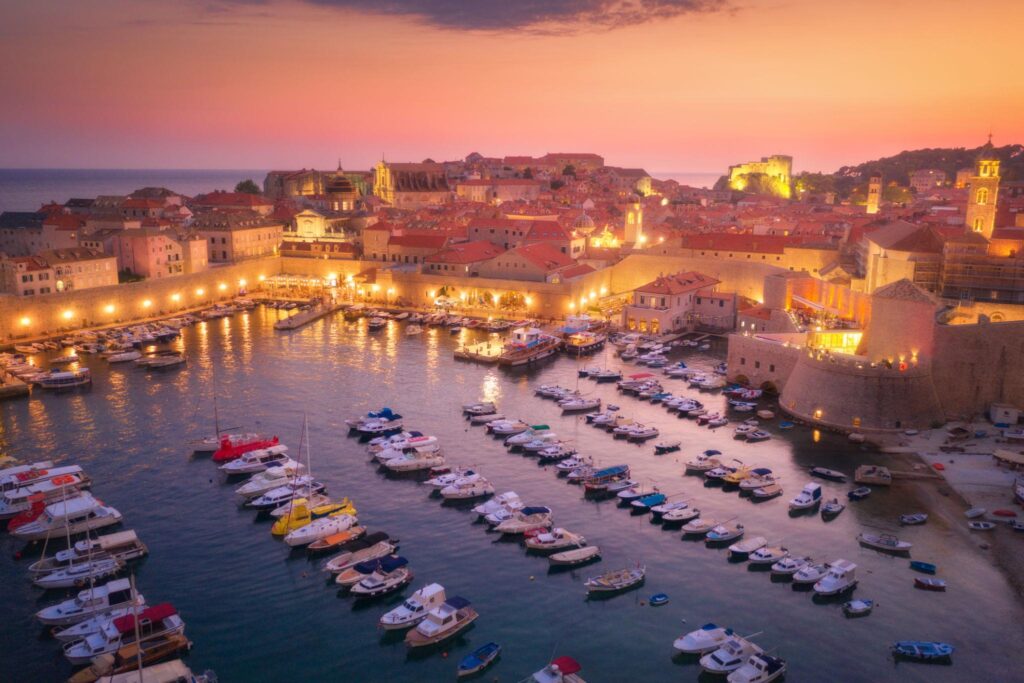
Dubrovnik’s Old Town is one of the best-preserved medieval cities in Europe, wrapped in thick stone walls above the Adriatic.
Walking the full circuit of the walls takes about two hours and gives you views over terracotta rooftops on one side and open sea on the other.
Afterward, wander the polished limestone of the Stradun, take a kayak around the walls, or ride the cable car up Mount Srđ for sunset.
Timing makes a big difference here. The walls open early, and walking them first thing in the morning or in the late afternoon avoids both the midday heat and the biggest crowds.
In summer, check the cruise ship schedule before you choose your day. Old Town gets much busier when large ships are in port.
Patagonia, Argentina and Chile
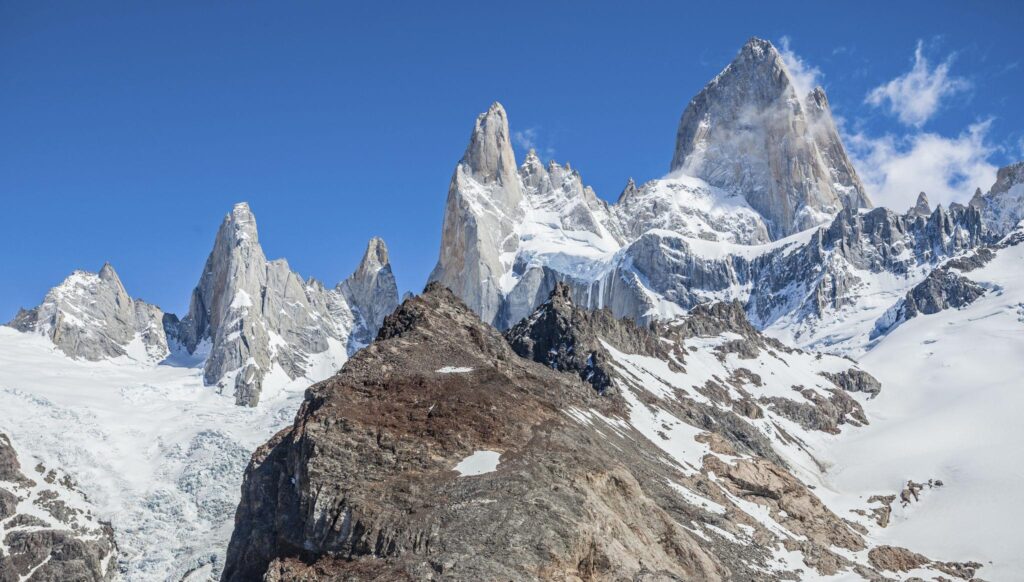
Patagonia is one of the wildest places you can visit: jagged granite peaks, huge glaciers, turquoise lakes, and trails that run for days.
It covers a vast area shared by two countries, so most travelers pick one side, or plan a longer trip to see both.
Chile: Torres del Paine National Park is famous for its granite towers and the multi-day W Trek.
Argentina: El Chaltén is a hiking base for the Fitz Roy area, and the Perito Moreno Glacier near El Calafate is one of the most accessible glaciers in the world.
The main season is the southern summer, from about November to March, when days are long and trails are open. Expect strong wind at any time of year, pack layers, and book campsites or mountain lodges on popular routes well in advance.
Maldives
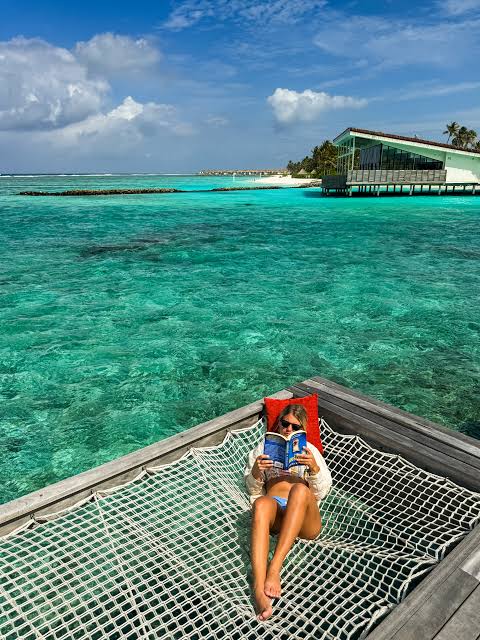
The Maldives is pure island time: white sand, warm turquoise water, and reefs you can often snorkel right from the beach. Overwater villas are the classic image, and sunsets over the Indian Ocean are hard to beat. The drier months, roughly December to April, bring the calmest seas and the highest prices.
You don’t have to spend resort money to visit, though. Guesthouses on local inhabited islands such as Maafushi or Dhigurah cost a fraction of resort rates and offer snorkeling and sandbank day trips.
Keep in mind that local islands don’t serve alcohol and expect modest dress outside designated tourist beaches.
If you choose a resort, check the transfer: seaplane trips to distant atolls can add several hundred dollars per person, while resorts near the capital, Malé, are often reached by a much cheaper speedboat.
Choosing among these beautiful places in the world usually comes down to three things: when you can travel, how long you have, and your budget.
A long weekend suits Banff or Iceland, while Patagonia or the Maldives reward a full week or more. Match the season in the planning table to your dates, and you’ll avoid most weather and crowd surprises.
Whatever you pick, check your passport expiration date early, since some countries require it to be valid well beyond your travel dates.
For more ideas, browse our companion list of beautiful places in the world for your next American bucket list.
If you found this guide helpful, save it to Pinterest or share it with a friend who’s planning their next big trip.