
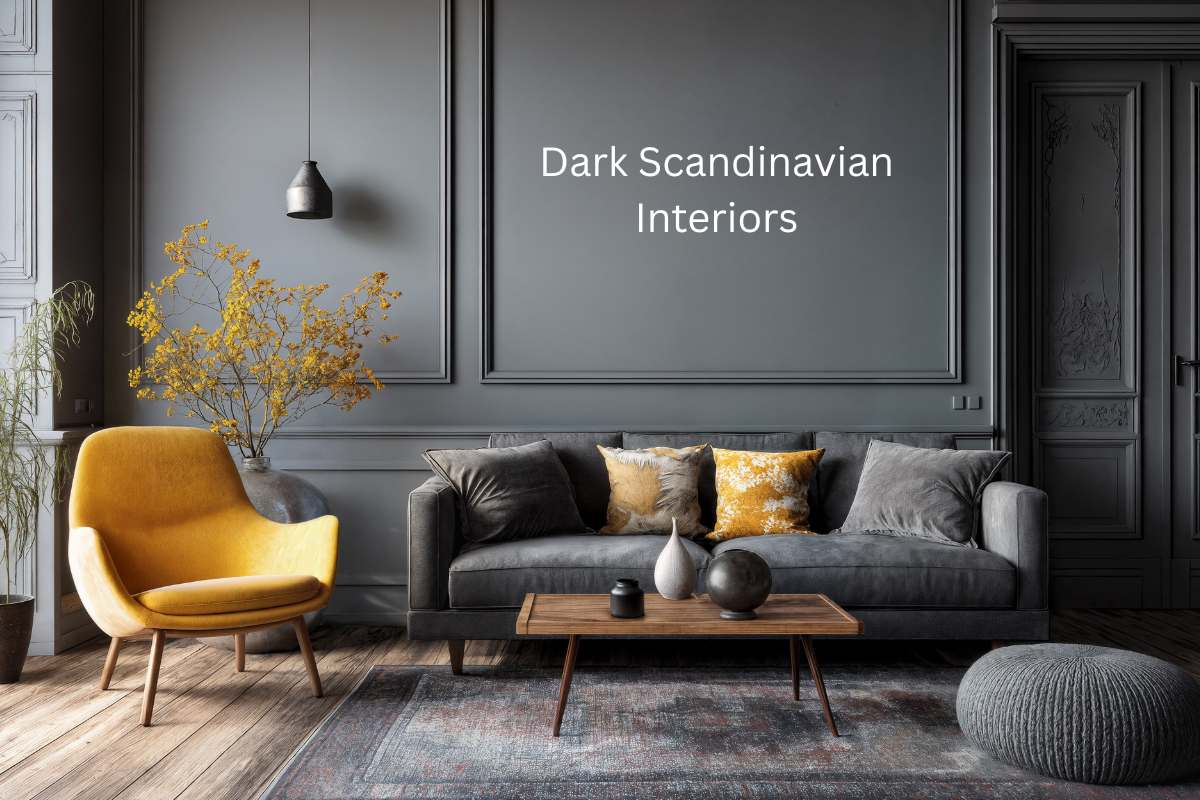
Dark Scandinavian design has a way of making a room feel both simple and dramatic.
Instead of relying on bright white walls and pale wood, this look brings in charcoal, black, deep green, rich wood tones, and warm neutrals while keeping the clean lines that make Scandinavian interiors so appealing.
The key is balance. Dark colors create depth, while natural materials, soft textiles, simple furniture, and warm lighting keep the room feeling comfortable.
If you love Scandinavian style but want something moodier and more sophisticated, these Dark Scandinavian Interior Ideas are a great place to start.
1. Charcoal Black Living Room Walls
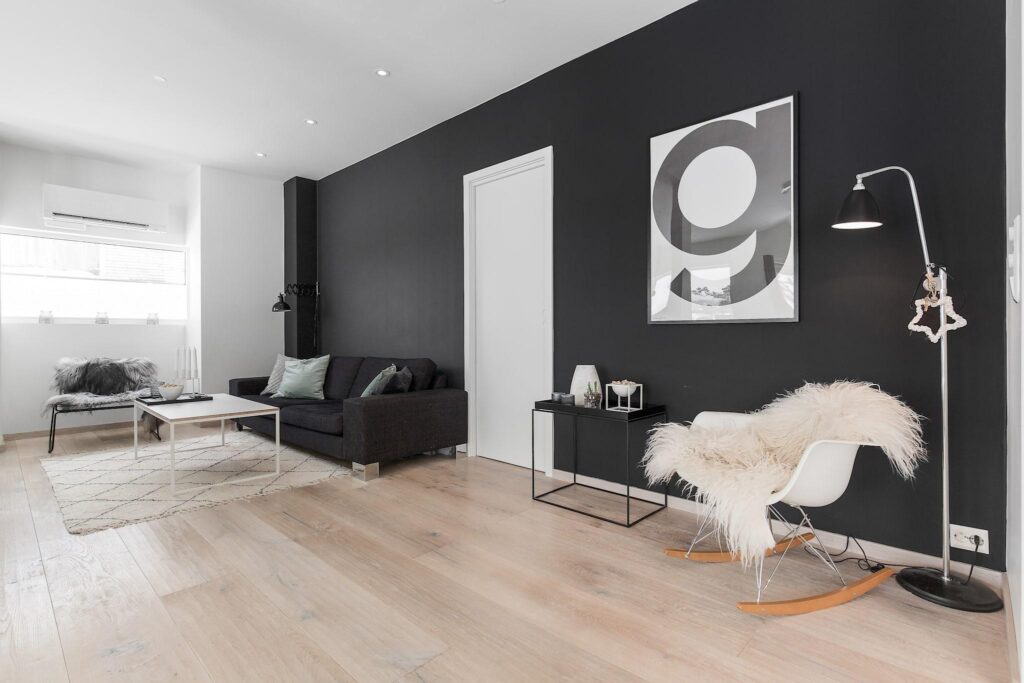
A charcoal wall can completely change the mood of a Scandinavian living room without making the space feel overly dramatic.
The trick is to let the wall provide the depth while the furniture and accessories bring in lighter, warmer elements.
Try pairing charcoal with natural oak, cream upholstery, beige textiles, and warm lighting. A textured rug or soft throw can also break up the darker backdrop and make the room feel more inviting.
If you’re nervous about painting the whole room, start with the wall behind the sofa or television and build the rest of the room around it.
Charcoal or deep gray
Oak or warm natural tones
Cream rugs, throws and cushions
2. Dark Wood Kitchen Cabinets
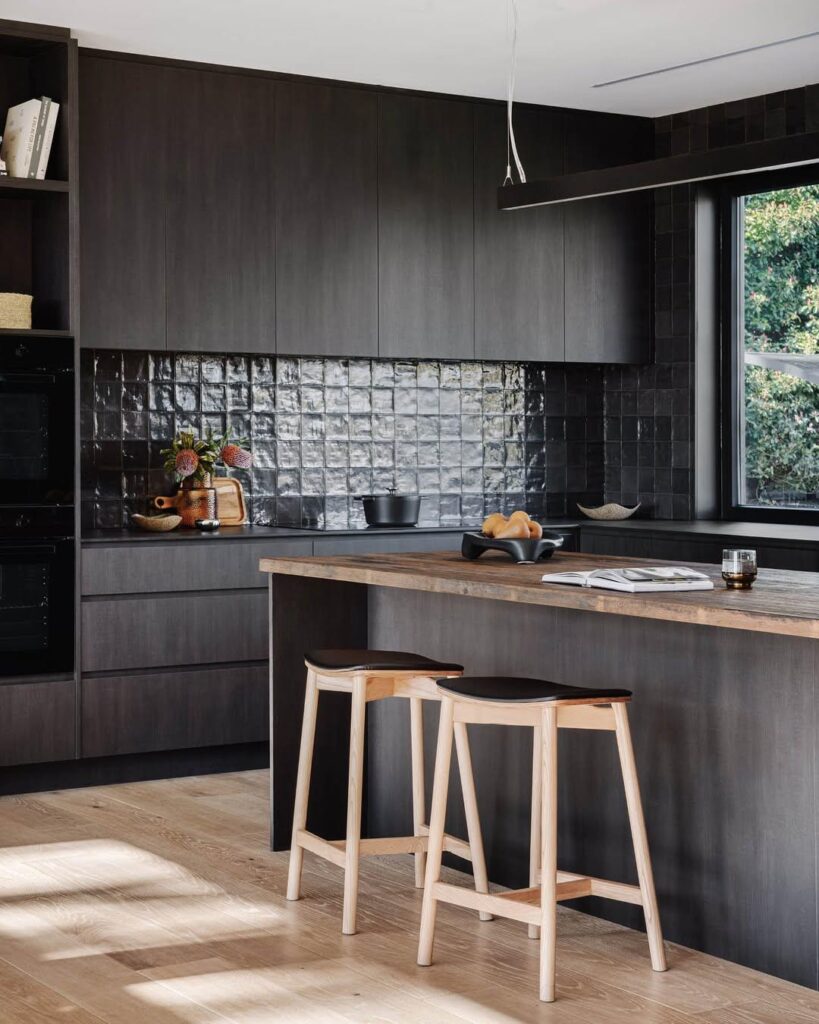
You don’t need an all-white kitchen to achieve a Scandinavian look. Dark walnut, espresso-stained oak, and other rich wood finishes can give the kitchen a warmer and more grounded appearance while simple cabinetry keeps the design clean.
For a balanced look, choose flat-front cabinets, simple hardware, and uncluttered countertops.
Then bring in a lighter element, such as a pale backsplash, stone countertop, cream walls, or natural wood accessories.
The goal isn’t to fill the kitchen with dark finishes. One strong material can be enough to give the entire space character.
Dark walnut or stained oak
Keep it simple and streamlined
Use a lighter surface for contrast
3. Black and Oak Dining Spaces
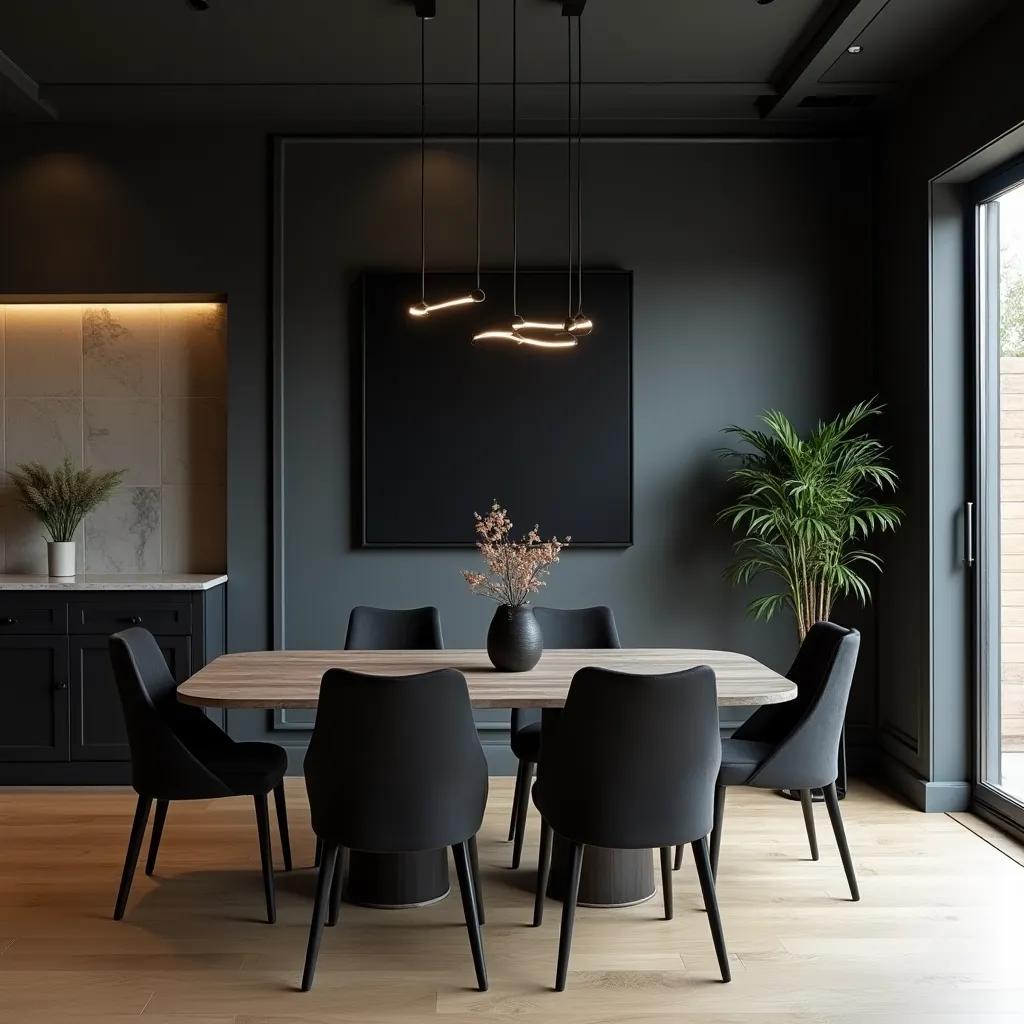
Black and natural oak are a particularly easy combination to use in a Scandinavian dining area. The black adds definition, while the lighter wood keeps the room from feeling too heavy.
You could start with a black dining table and oak chairs, or reverse the combination with a natural wood table and black seating. Add a simple pendant light above the table and keep the rest of the styling restrained.
A few well-chosen pieces usually work better here than a crowded collection of dining-room accessories.
Table or lighting
Chairs or shelving
Walls and textiles
4. Moody Scandinavian Bedrooms
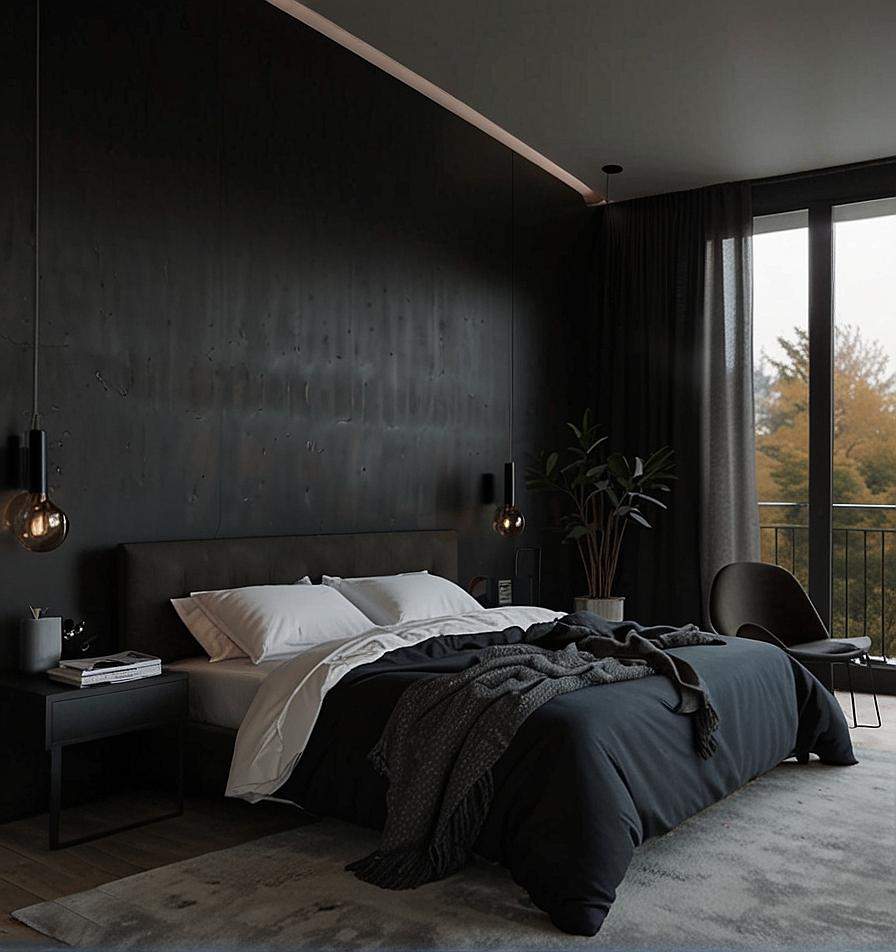
A darker bedroom can feel incredibly cozy when the color palette is supported by soft materials.
Instead of trying to make every element dark, use the wall color as the deeper backdrop and allow the bed, curtains, rug, and accessories to introduce lighter shades.
Think charcoal walls, cream bedding, natural wood, linen, chunky knits, and warm bedside lighting. These small changes give the room plenty of texture without adding visual clutter.
If the bedroom is small, keeping the bedding and larger textiles lighter can help maintain a sense of openness.
5. Matte Black Accent Walls
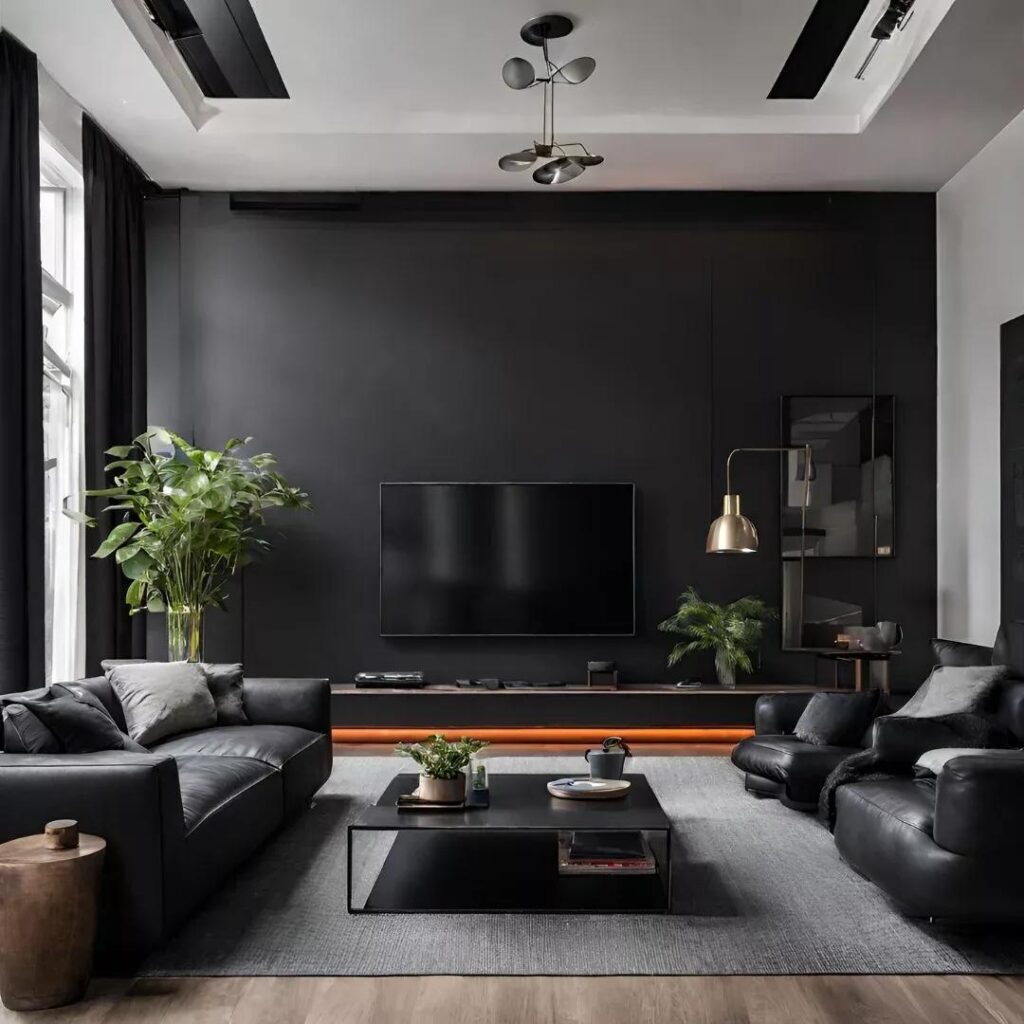
Not ready to commit to dark walls throughout the room? A matte black accent wall gives you a way to test the look without changing the entire space.
This works especially well behind a bed, sofa, desk, fireplace, or dining area, where the dark wall can naturally act as a visual anchor.
Matte finishes are also useful when you want a softer appearance because they don’t have the reflective quality of glossy paint.
Keep the surrounding walls and furniture relatively simple so the accent wall has room to make an impact.
6. Dark Scandinavian Home Offices
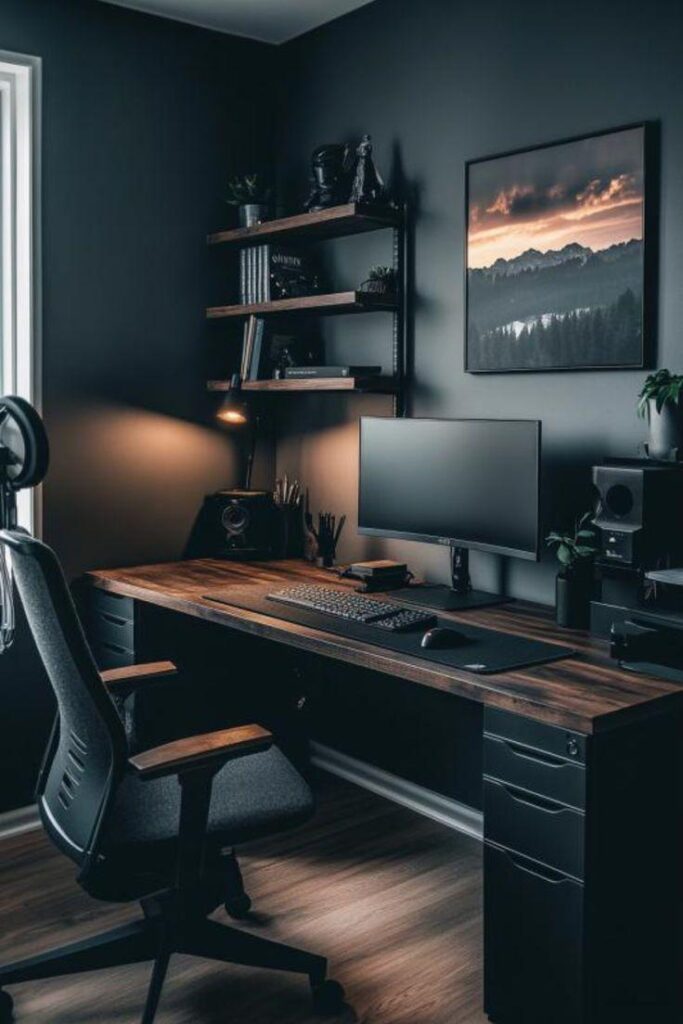
A dark home office can feel focused and calm without looking overly formal. Start with one deeper element, such as a charcoal wall, black desk, or dark shelving, and then soften the workspace with natural wood and lighter textiles.
Keep the desk area visually clean. A simple wooden desk, black task chair, open shelving, and one or two warm-toned accessories can give you the Scandinavian look without making the office feel sterile.
Lighting matters here too. Place a desk lamp where you need focused light and add another warm light source nearby if the room feels too dark in the evening.
Wall or shelving
Desk or accessories
Desk or floor lamp
7. Deep Green Nordic Interiors
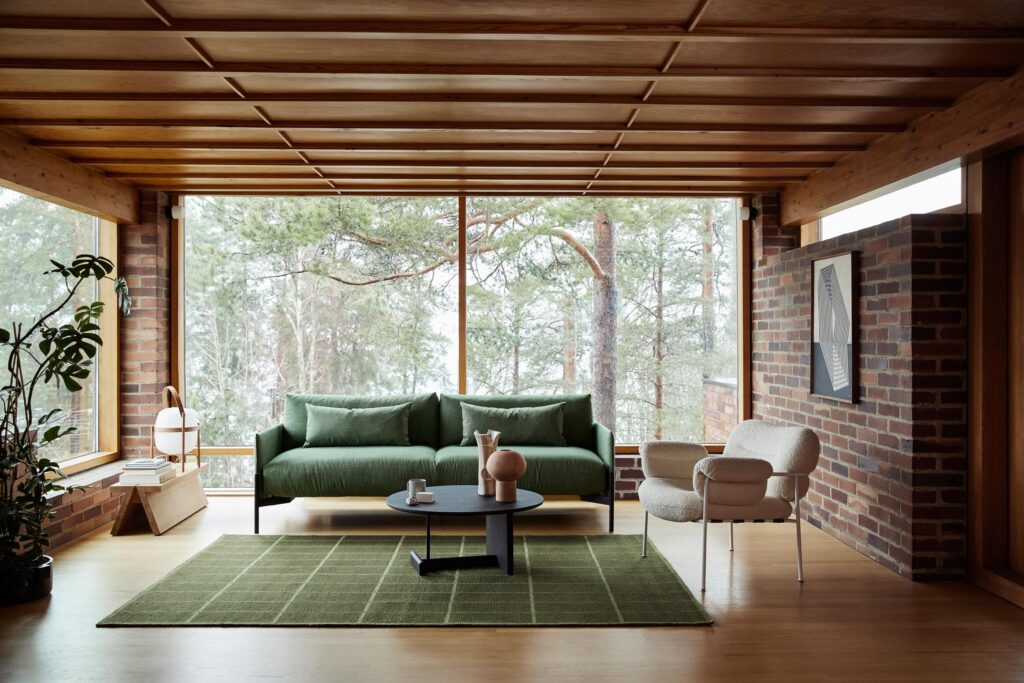
Black isn’t the only way to create a dark Scandinavian interior. A deep forest or muted green can bring color into the room while still maintaining the calm, understated feeling associated with Nordic interiors.
Try deep green on a feature wall, kitchen cabinetry, built-ins, or even a large piece of furniture. Pair it with natural oak, cream, beige, black accents, and simple textiles.
This combination works especially well if you want your room to feel connected to nature without relying on a traditional neutral palette.
Main color
Natural contrast
Softens the palette
Small accents
8. Black Scandinavian Bathrooms
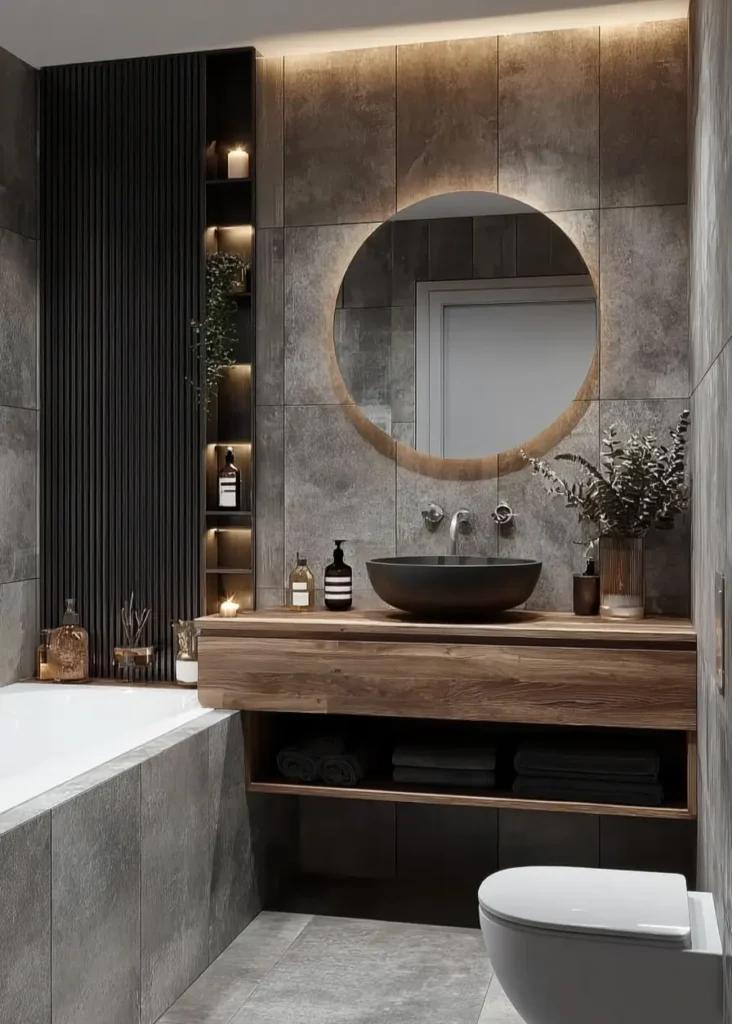
A bathroom is a great place to experiment with a darker Scandinavian palette because you can create contrast with tile, wood, stone, and simple fixtures.
Consider matte black tile or dark walls with a natural wood vanity. If you already have a lighter bathroom, black faucets, framed mirrors, lighting, or storage can introduce the look without requiring a full renovation.
The important part is keeping the shapes simple. Clean-lined cabinetry and uncomplicated fixtures allow the materials to do most of the decorating.
Adds depth
Adds warmth
Keeps it inviting
9. Layered Dark Textures
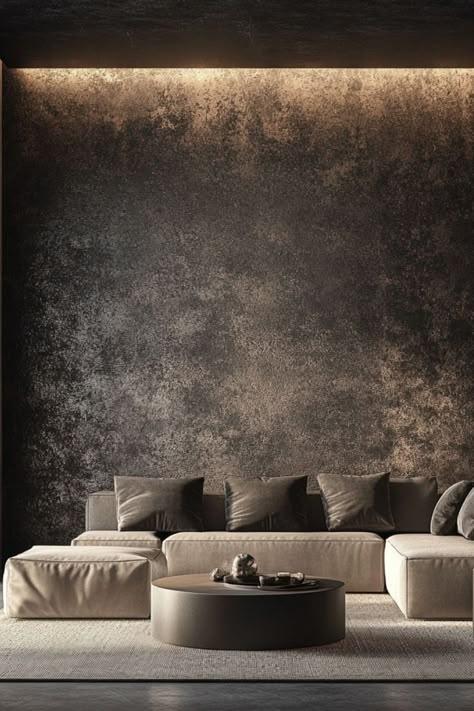
When a room uses several dark colors, texture becomes especially important.
Without enough variation, black, charcoal, and deep gray surfaces can start to look visually flat.
Mix materials rather than adding more decoration. A wool rug, linen curtains, leather chair, wooden furniture, ceramic accessories, and woven baskets can create plenty of interest while keeping the room uncluttered.
You don’t need every texture at once. Choose a few that complement each other and repeat them naturally around the room.
Rugs & throws
Curtains & bedding
Furniture
Small accents
10. Dark Scandinavian Entryways
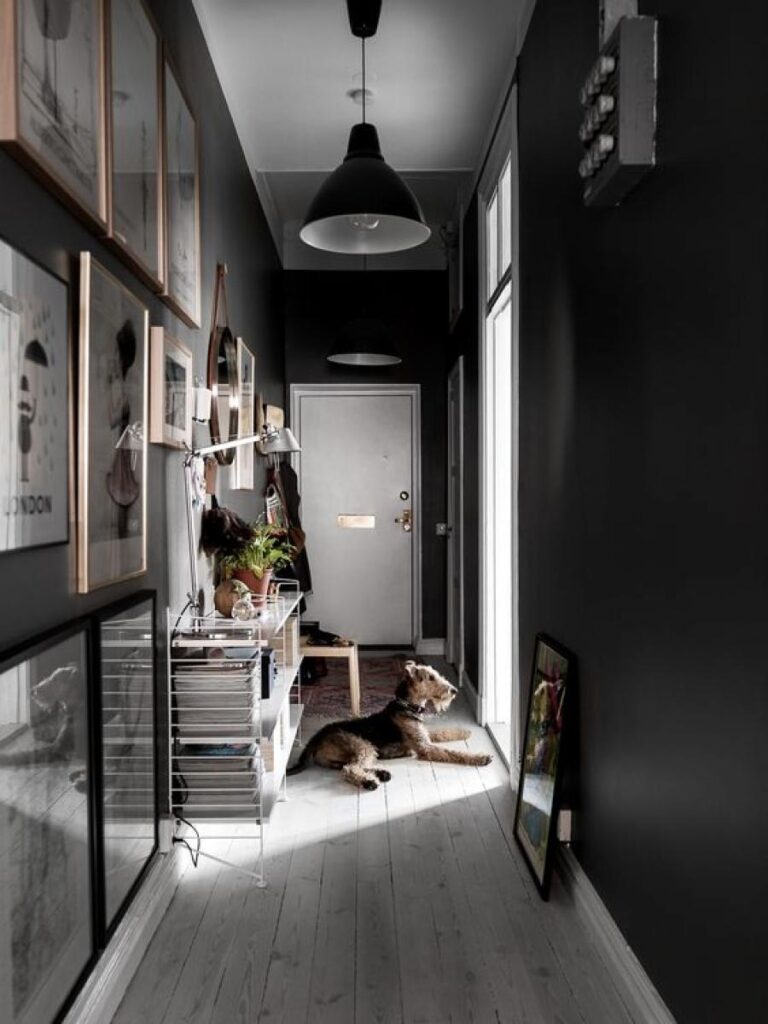
Your entryway doesn’t need to be large to make a strong first impression. A dark wall can give the area definition, while a simple wooden bench and practical storage keep the space useful.
For a narrow hallway, try a dark painted wall with a slim bench, hooks, a small mirror, and concealed storage.
Keep the floor and larger furniture pieces relatively simple so the space doesn’t feel crowded.
This is also a good place to use one warm material, such as oak, to soften the darker background.
11. Black Ceiling Designs
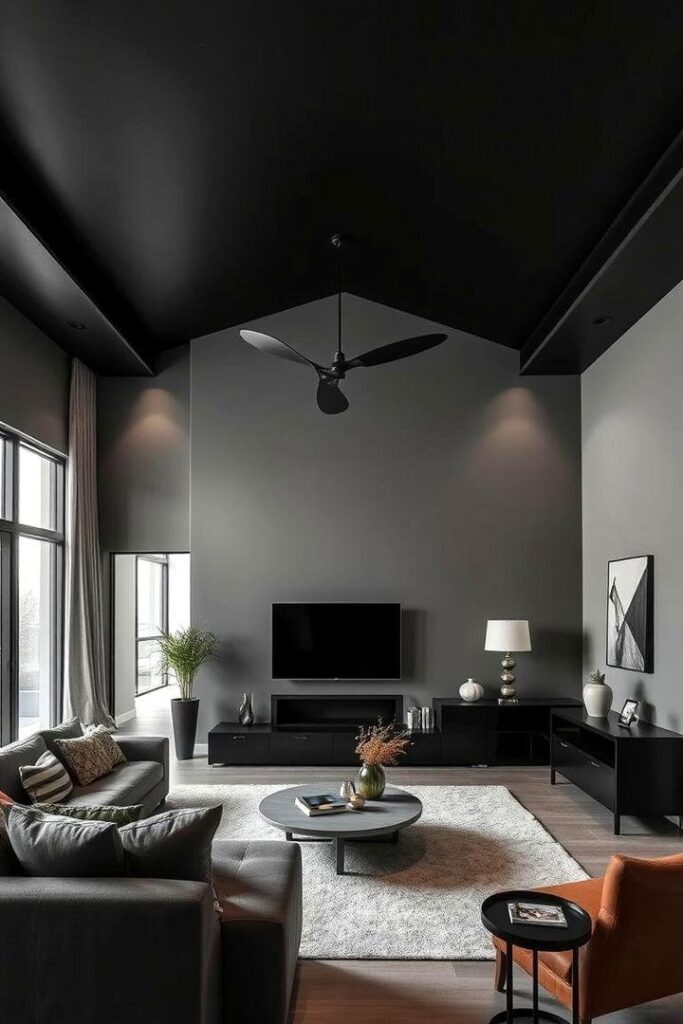
A black ceiling is one of the more dramatic ways to bring the darker side of Scandinavian design into a room.
Instead of treating the ceiling as an afterthought, the dark color makes it part of the overall design.
This approach can work particularly well in dining rooms, cozy living areas, bedrooms, and spaces with interesting architectural details.
If you’re trying the idea for the first time, keep the walls and larger furniture lighter. That contrast helps the ceiling feel intentional rather than making the entire room visually heavy.
Black or deep charcoal
Warm neutral or soft gray
Natural wood or lighter tones
12. Dark Scandinavian Reading Nooks
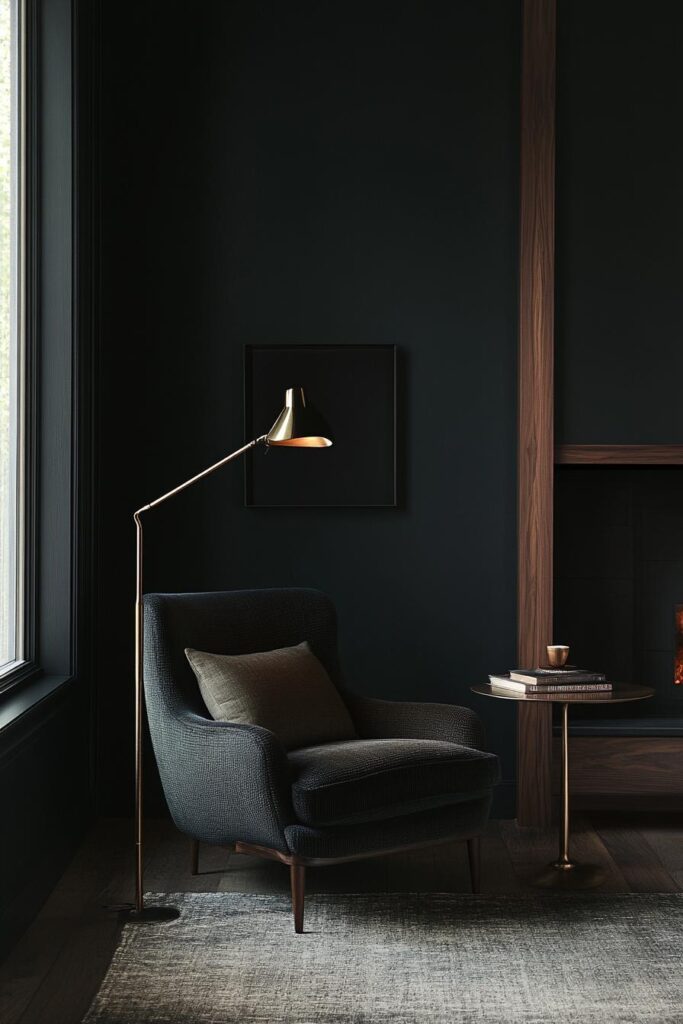
A small reading corner doesn’t need much furniture to feel special. A comfortable chair, a small table, a warm lamp, and a darker backdrop can create a cozy little retreat within a larger room.
Use soft textiles and natural materials to keep the corner connected to the rest of your Scandinavian interior. A wool throw, linen cushion, wooden side table, and simple floor lamp are enough to build the look.
If you have an unused corner near a window, this can be an easy project without changing the entire room.
Comfortable seat
Warm lamp
Soft textile
Small side table
13. Monochromatic Black Interiors
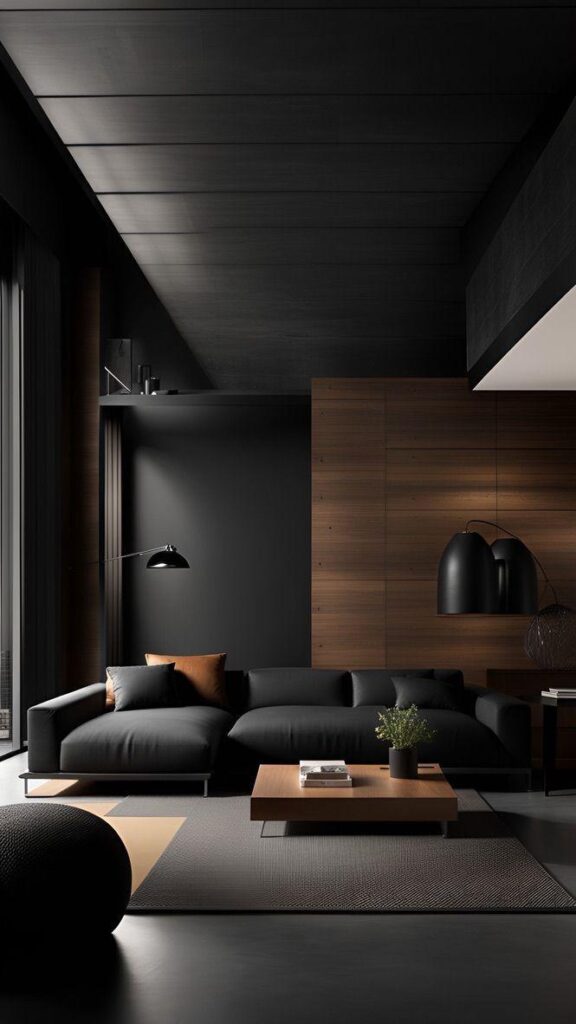
A monochromatic room doesn’t mean every surface has to be the same shade of black. In fact, using several closely related tones can make the space feel much more layered.
Combine soft black, charcoal, graphite, gray, and warm neutral shades across walls, furniture, textiles, and accessories. The subtle changes in tone keep the room cohesive while preventing it from looking like one large block of color.
Natural wood is another easy way to introduce variation without breaking the overall palette.
14. Dark Scandinavian Lighting Schemes
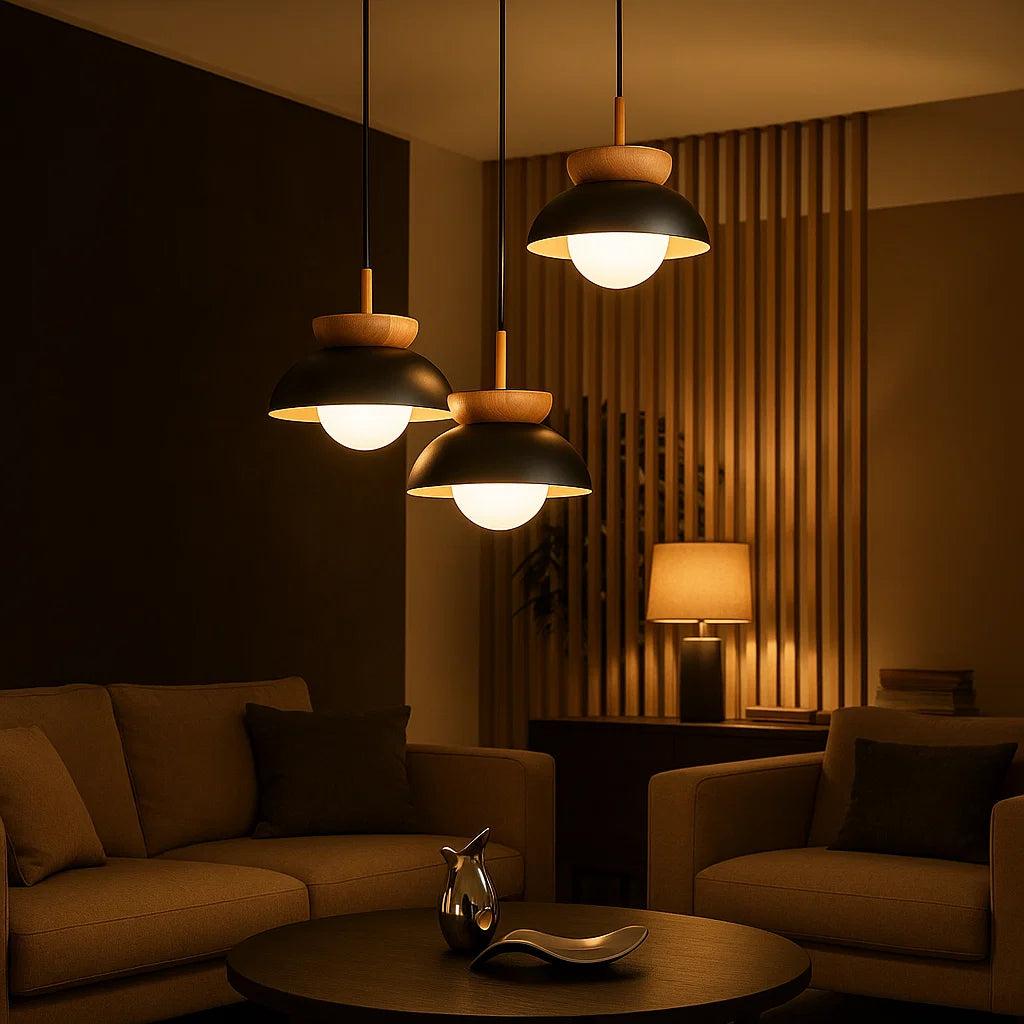
Lighting can make or break a dark interior. When your walls and furniture are already deeper in tone, relying on one bright overhead fixture can make the room feel harsh.
Instead, build several smaller sources of light around the space. A floor lamp beside a sofa, pendant above a dining table, table lamp on a console, or wall light beside a bed can each serve a different purpose.
Warm lighting also works beautifully with wood, black, beige, and charcoal, helping the darker palette feel more comfortable in the evening.
15. Sophisticated Black and Beige Palettes
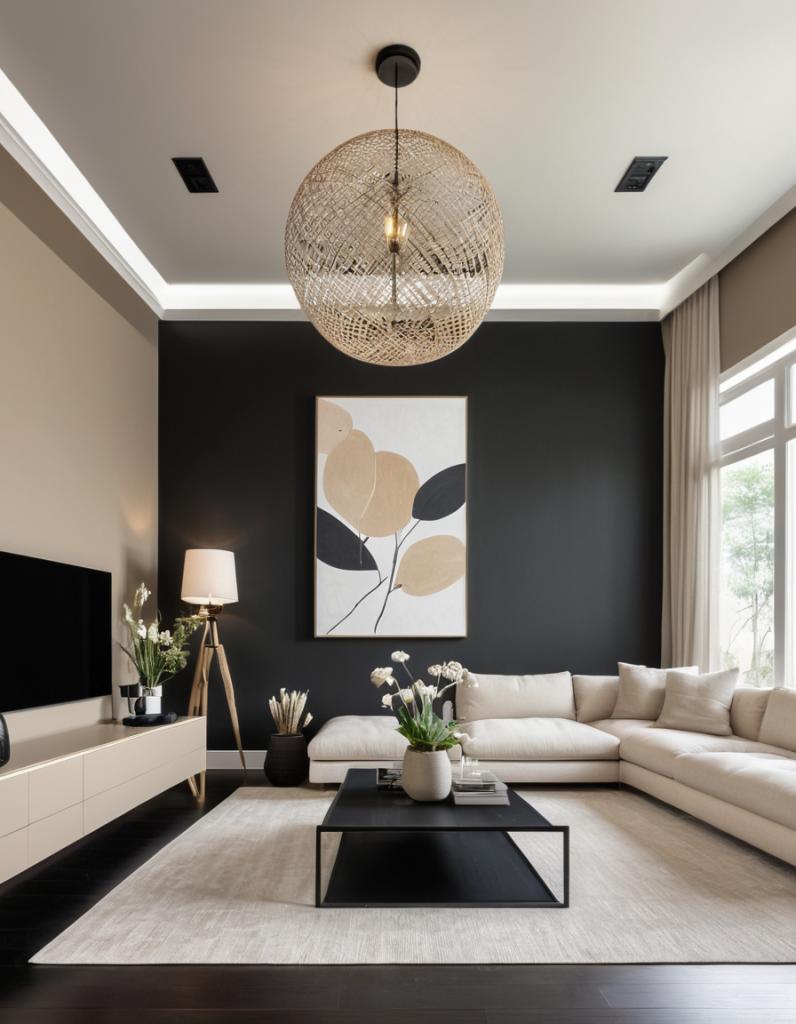
If an all-black Scandinavian interior feels too strong, black and beige offer an easier starting point.
The darker shade provides definition, while warm beige, cream, and off-white make the room feel softer.
Try black furniture with beige upholstery, charcoal walls with cream curtains, or black lighting against a warm neutral backdrop. Natural wood can sit between the two colors and help connect the palette.
This combination also gives you plenty of flexibility when you want to change accessories later.
You can keep the larger pieces neutral and introduce seasonal colors through cushions, throws, artwork, or small decorative pieces.
Furniture & accents
Walls & upholstery
Soft textiles
Natural warmth
A Simple Dark Scandinavian Style Formula
You don’t need to redesign your entire home to bring this look together. Start with one dark foundation and then add lighter, warmer elements around it.
Choose charcoal, black, deep green or dark wood for your main visual anchor.
Bring in oak, walnut, stone, ceramics or other natural-looking materials.
Use linen, wool, cotton, rugs and warm neutral shades for comfort.
Let a few strong materials and useful pieces do the decorating.
The easiest way to start is to choose one dark element, such as a wall, cabinet, sofa, or ceiling, and then build contrast around it with natural wood, soft textiles, warm neutrals, and thoughtful lighting.
The result should feel like a home first and a design trend second.
That’s what keeps the darker Scandinavian look from becoming too severe or overly decorated.