
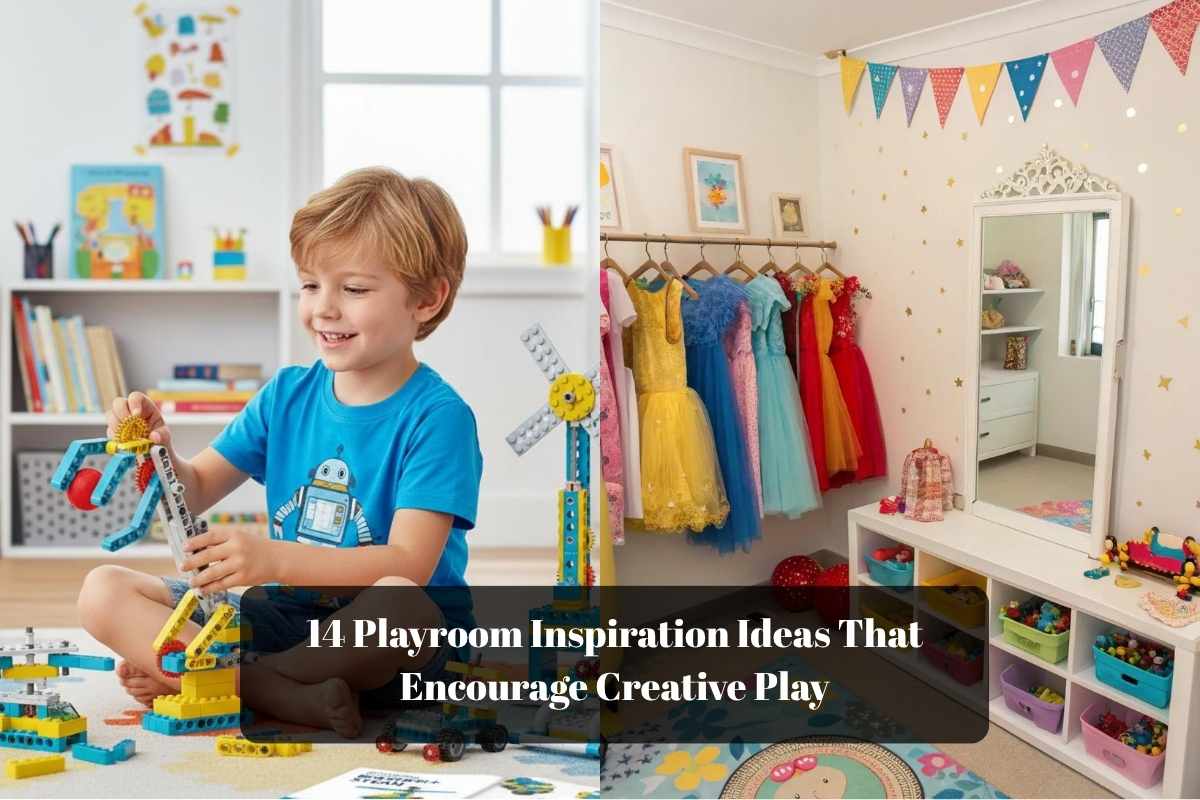
Playroom Inspiration Ideas That Encourage Creative Play are those ideas that make use of imagination and thoughtful design in order to come up with a space in which kids can explore, learn, and have fun.
An intelligently designed playroom is one that blends elements of creativity along with fun furniture and functional storage in order to keep the space organized.
It is not simply a room for toys but rather a space that sparks creativity, facilitates learning through play, and offers comfort for kids.
Create Distinct Play Zones for Different Activities
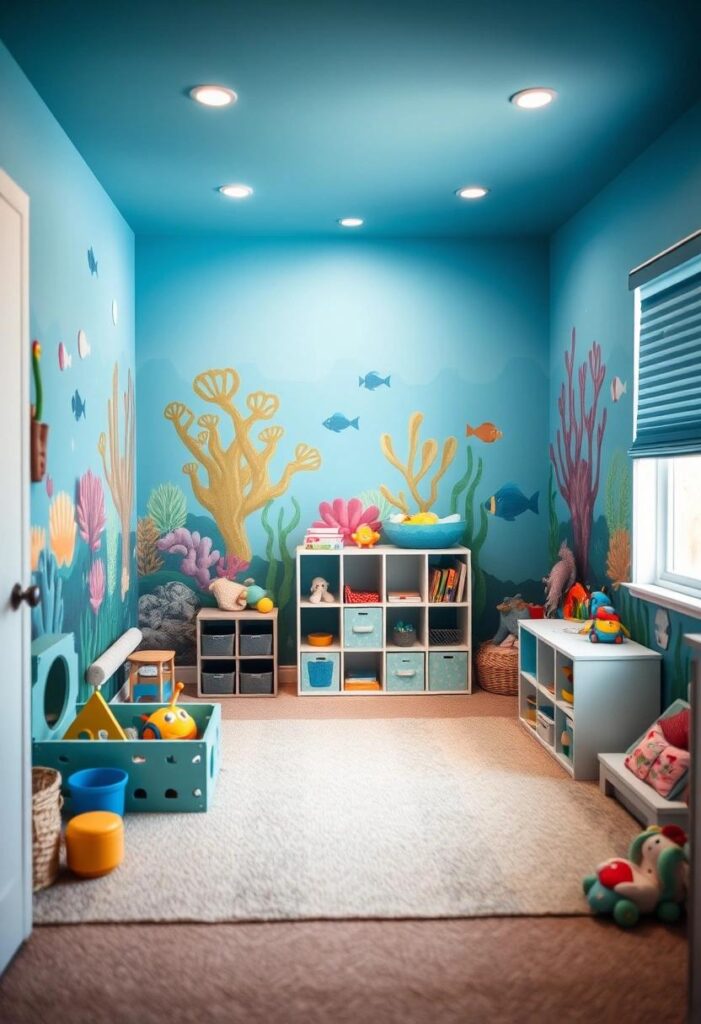
Playroom areas become very child-friendly when each type of activity has a place of its own within that space.
The quiet corner promotes calmness and reading, while the drawing table promotes drawing and coloring.
A dedicated building corner allows the children to keep their buildings in place rather than cleaning up all their creations at night time.
Choose Open-Ended Toys Instead of Trendy Gadgets
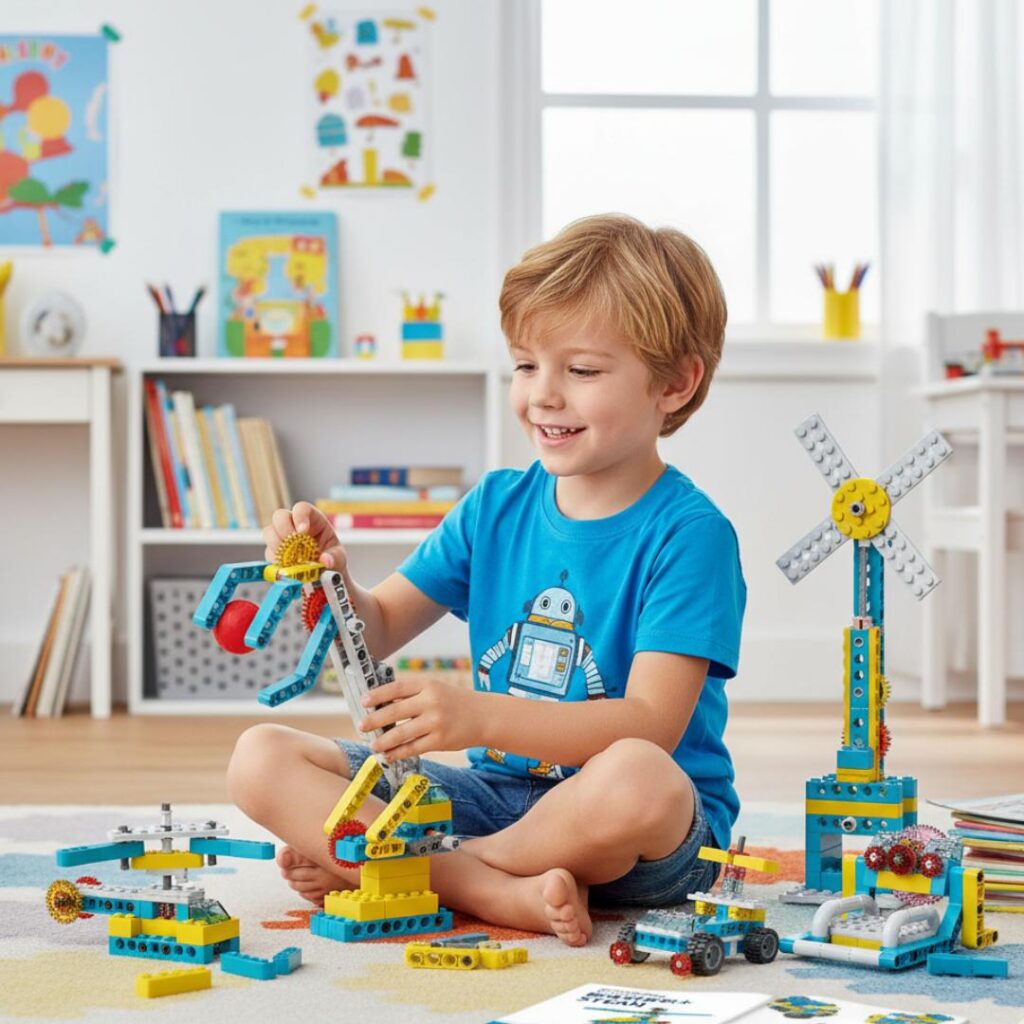
There are some that will entertain a child for a couple of days before fading away into disinterest.
Open-ended toys have their unique story in this regard since they are what any child decides to make of them.
Wooden blocks can turn into castles or spaceships at any particular moment. Magnetic tiles, loose parts, and stackers do not follow one single way but many ways.
Add a Cozy Reading Corner
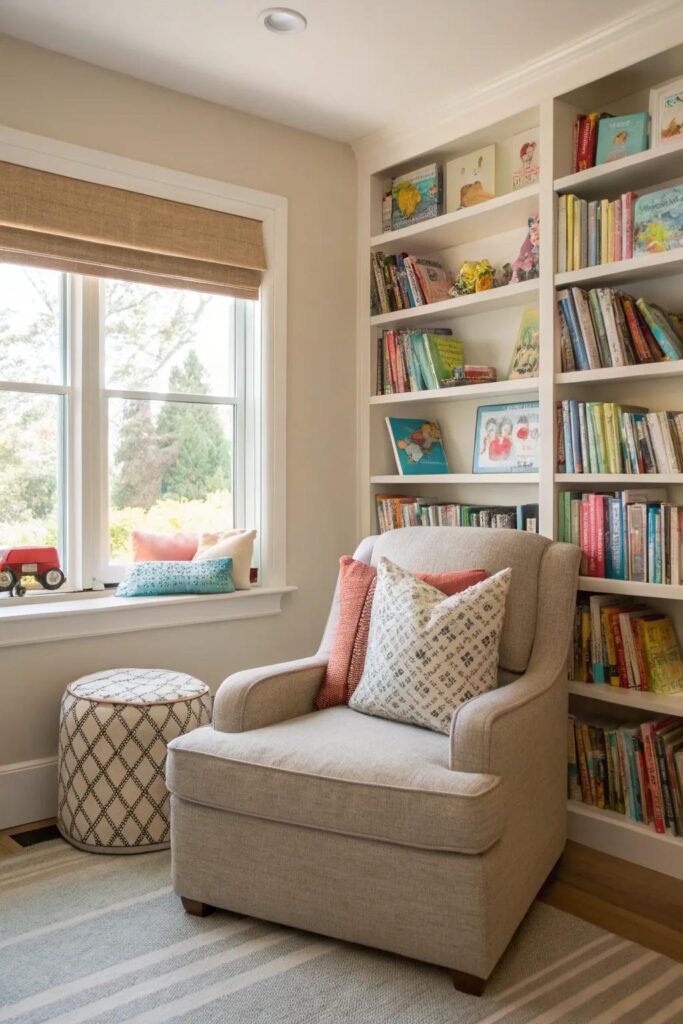
The reading corner does not require much space to create a cozy nook. Small bookshelf, comfortable cushions, and appropriate lighting will make the underutilized corner a popular hangout spot for the kids.
Having books at hand promotes independent exploration, while regular changes of titles help maintain the interest without having to buy new books all the time.
Install a Creative Art Wall
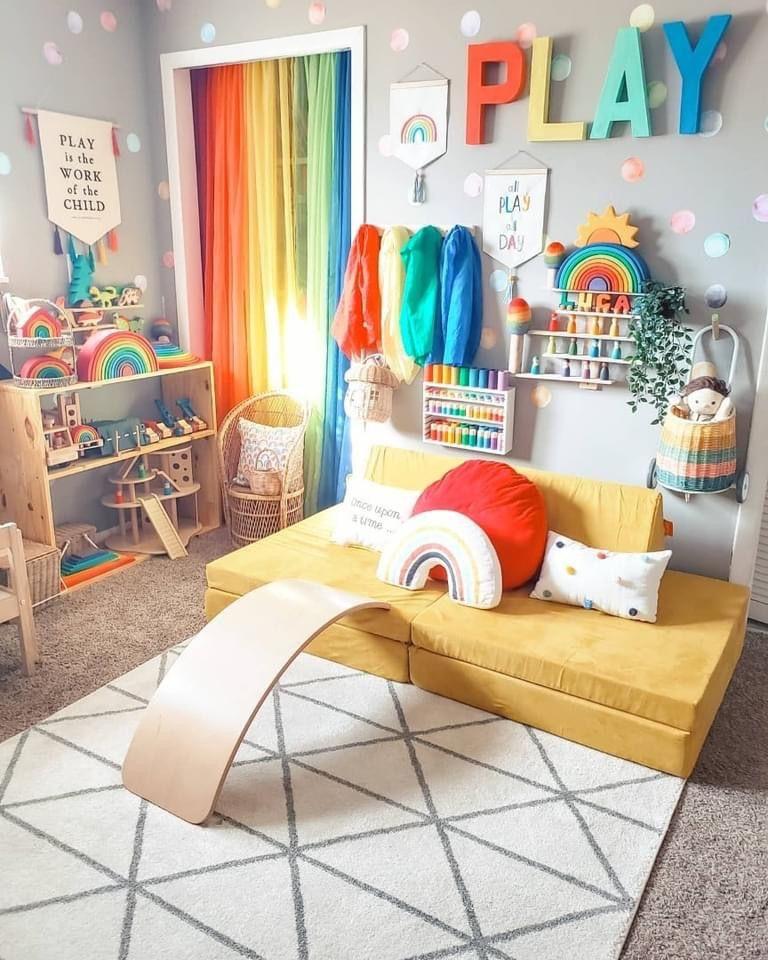
Children make a lot of art, but most of it gets put away in drawers. The purpose of having an art wall is to show off their art.
One can simply paint the area with chalkboard paint, put up a white board, or even just some clips. This makes the children feel proud of what they did.
Use Low Storage They Can Reach
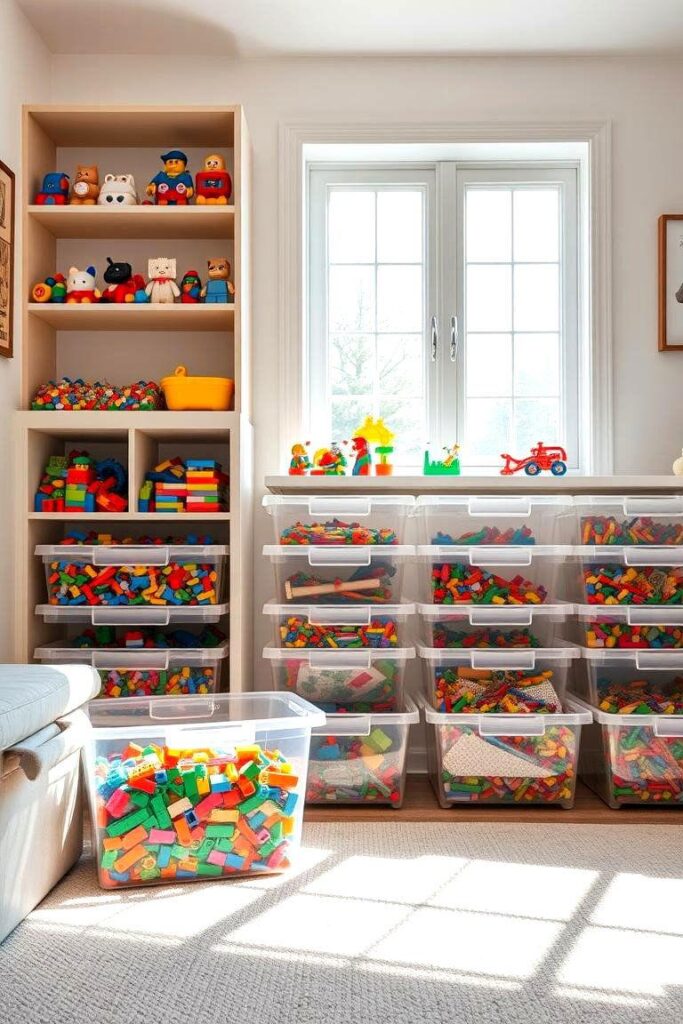
Some of the simplest systems for organizing are those which children can use on their own.
Lower shelves, open storage bins, and bins with labels enable children to put away toys on their own without any help from adults.
Parents realize that it is easier to organize since children know where everything is supposed to go.
Read
Bring Nature Into the Playroom
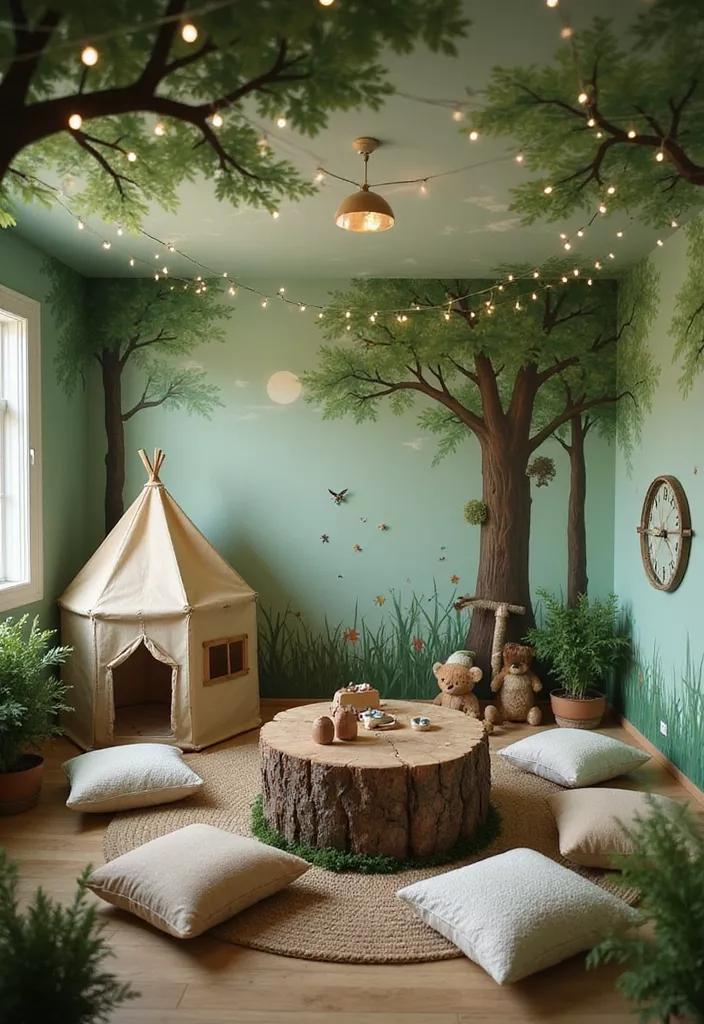
The use of natural materials subtly changes the atmosphere of the room. The presence of wooden furniture, woven baskets, and lots of light gives a much more relaxed environment than the rooms completely made up of artificial plastic materials.
Even the inclusion of some plant material that is child safe can stimulate discussion and outdoor activities.
Include a Dress-Up Station
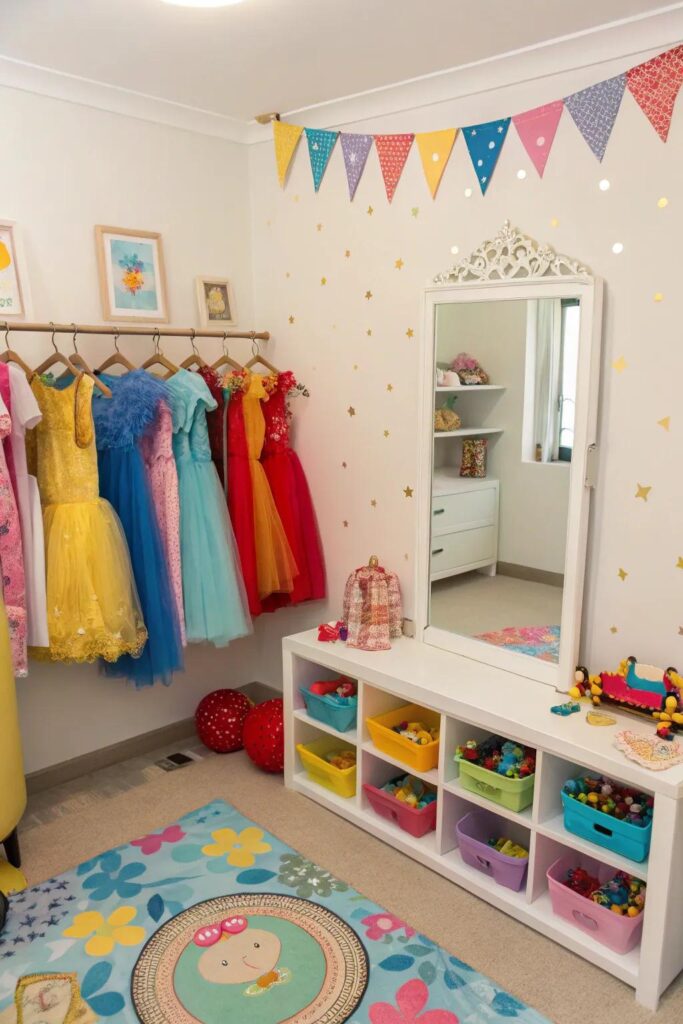
The practice of role-play assists children in experimenting with ideas, emotions, and story-telling.
The provision of costumes in a readily-accessible rack of clothes allows for impromptu role-play rather than packing everything away into a trunk.
All that is required is a mirror, some hats and capes, and the kids will create their own worlds.
Make Room for Building Projects
There is nothing that puts a damper on imaginative construction like having to tear down everything that was built prior to dinnertime.
With a construction table, children can finish their creations just as they left them. This castle or marble run that hasn’t been finished yet will become the next day’s starting place.
Rotate Toys Instead of Displaying Everything
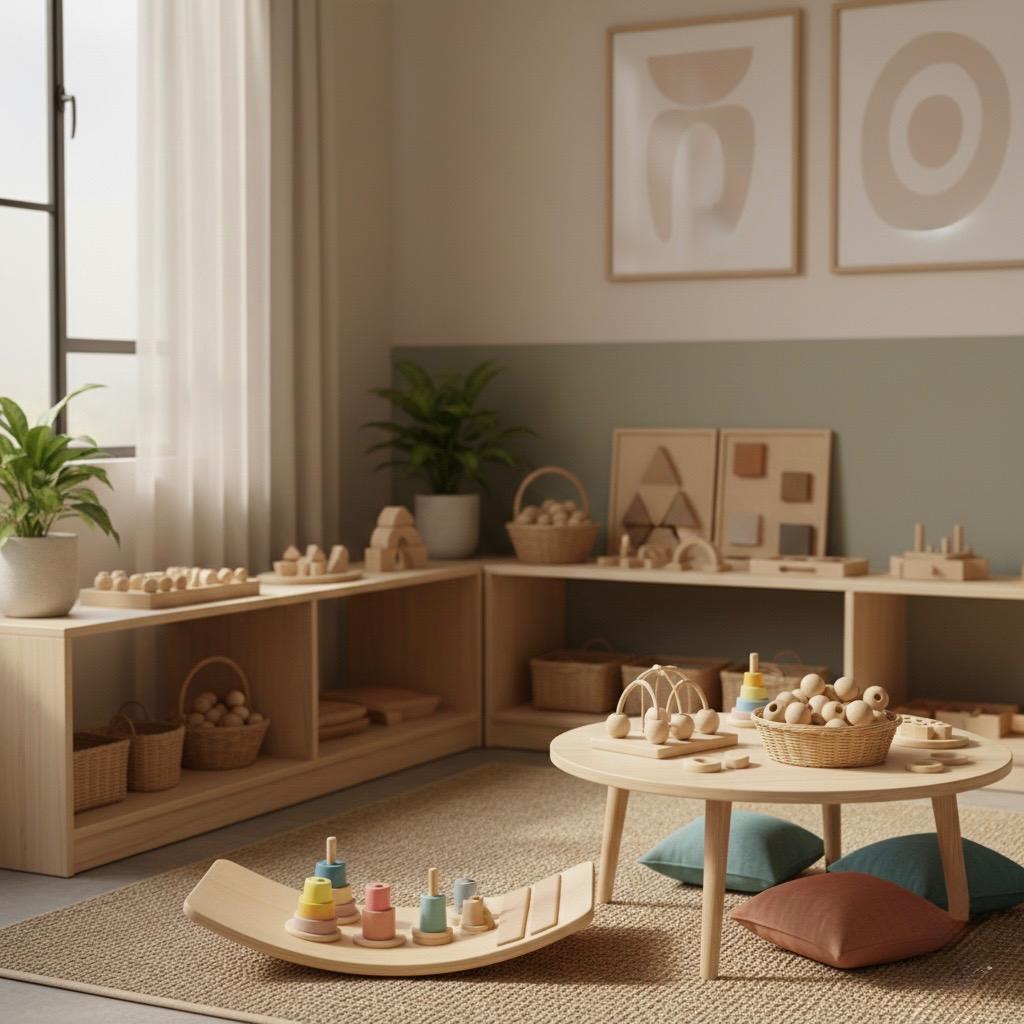
A toy-filled room could possibly decrease the likelihood of the child fully playing with those toys.
Limiting access to certain toys and leaving some out of sight will cut down on visual stimuli, as well as refreshing their appeal when reintroduced.
Many parents find that they do not need to purchase as many toys when they rotate the ones they already have.
Add a Space for Big Movement
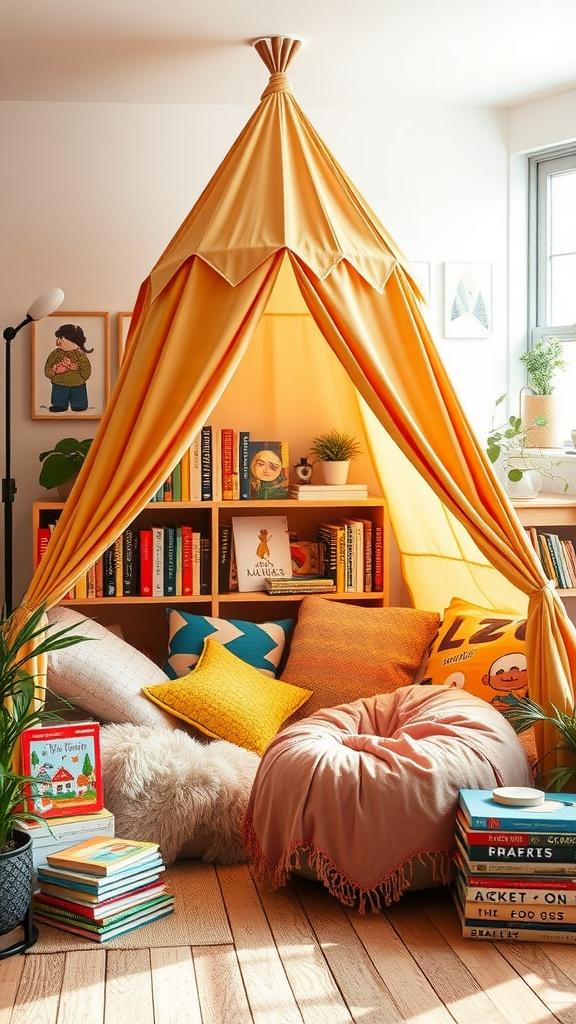
Creative play does not have to be silent all the time.
There should be room for children to explore through climbing, crawling, balancing, and moving around in a safe environment.
The use of soft mats, stepping stones, and even a balance beam promotes creative movement and helps children develop coordination skills.
Display Toys Like Invitations
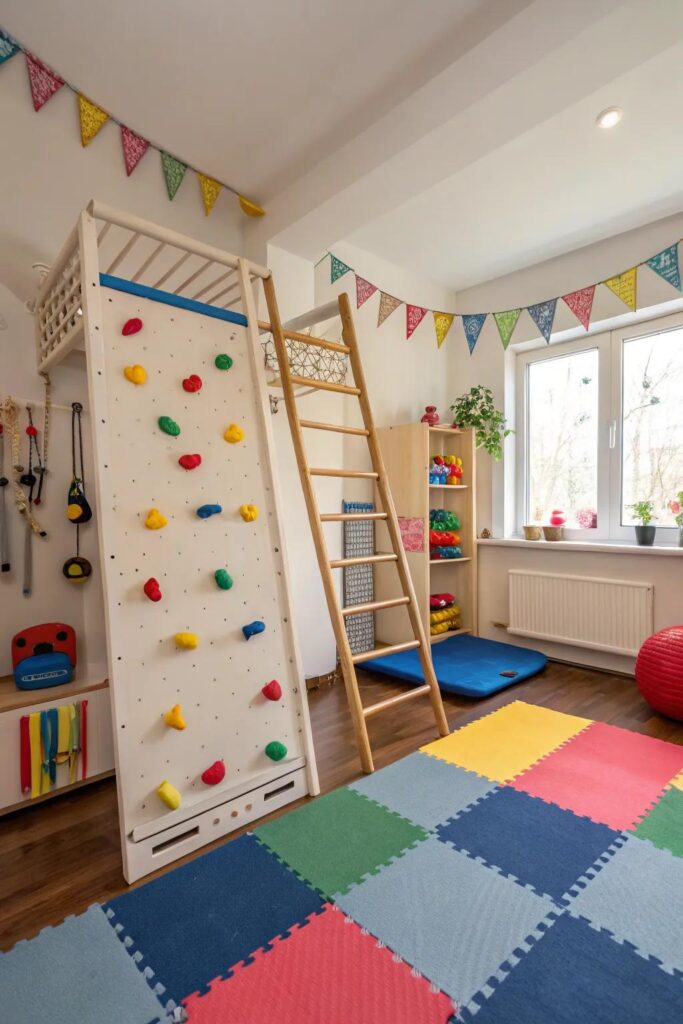
Rather than stuffing playthings into bursting storage containers, arrange some of them on open shelves.
This will encourage kids to see and use the materials because when materials are displayed and organized, kids tend to see and use them on their own.
Create a Mini Maker Space
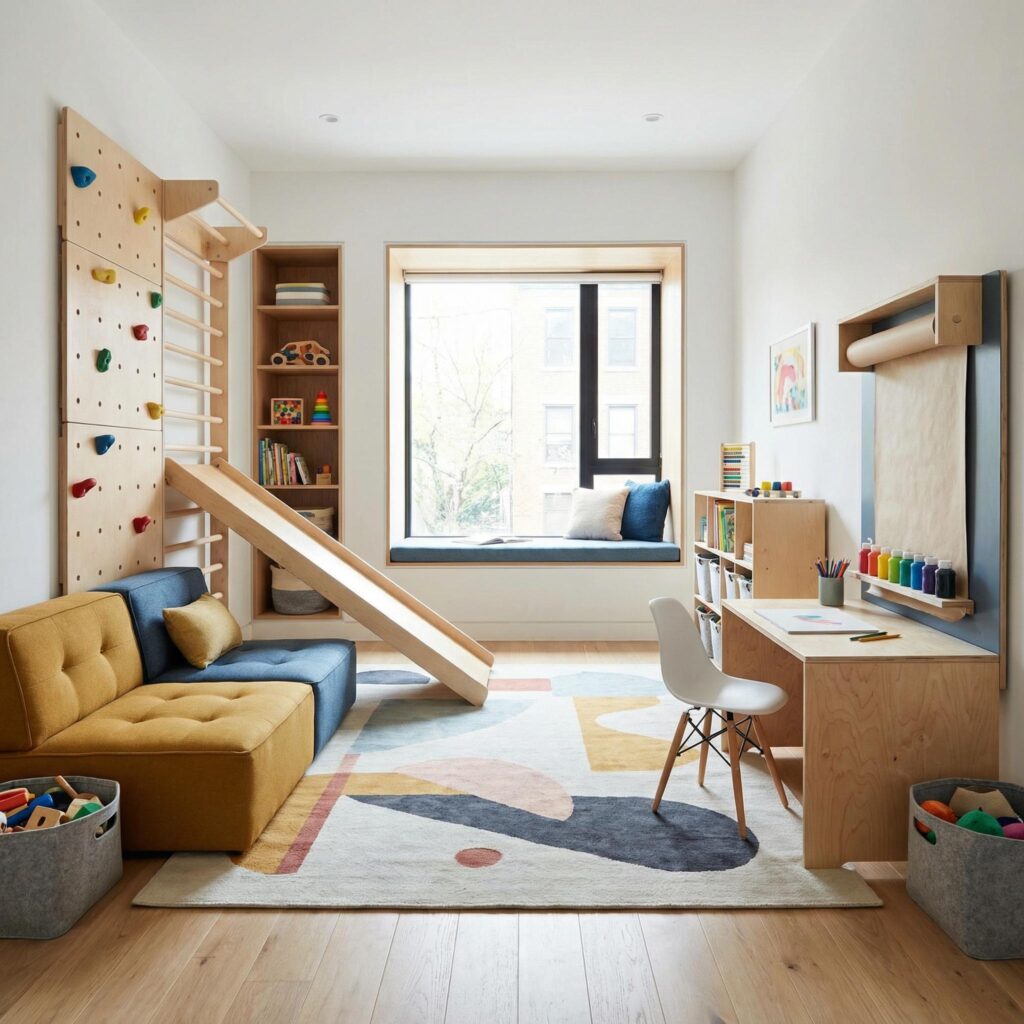
Make sure there is at least one table where experiments can be done using common items such as cardboard rolls, tape, pieces of paper, and boxes that have been used before.
Children never see them as waste but see potential in them. They can be a robot today and a pirate ship tomorrow.
Personalize the Room With Your Child’s Interests
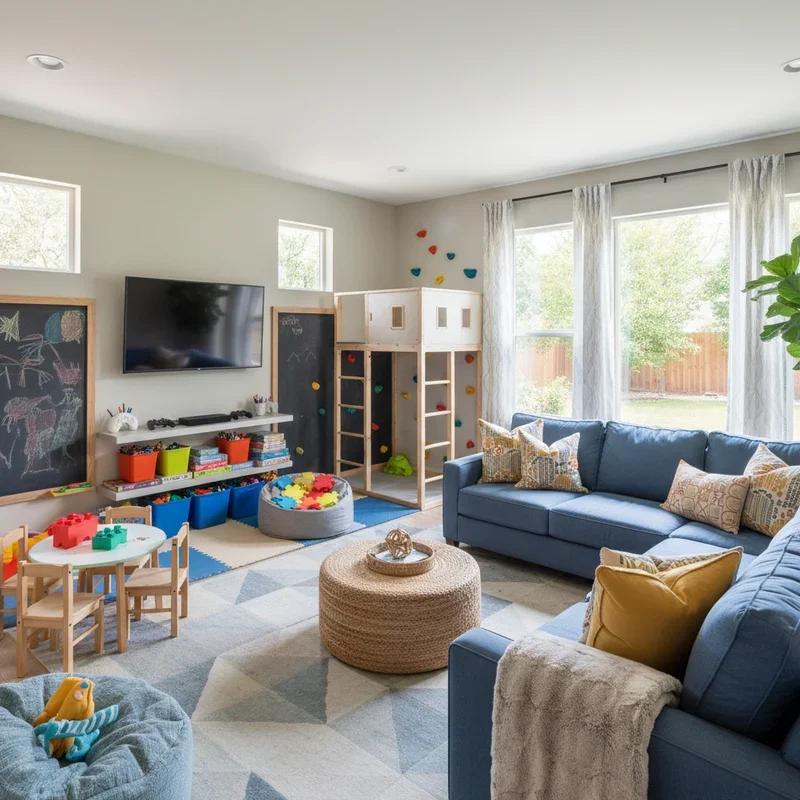
Children tend to immerse themselves in spaces that are based on their interests at the moment.
If your child is fascinated with dinosaurs, he/she will definitely be excited by reading books about dinosaurs and playing with dinosaur toys.
A future astronaut will be dreaming of living in space for hours. You don’t have to decorate a whole room in order to make a theme work.
Leave a Little Empty Space
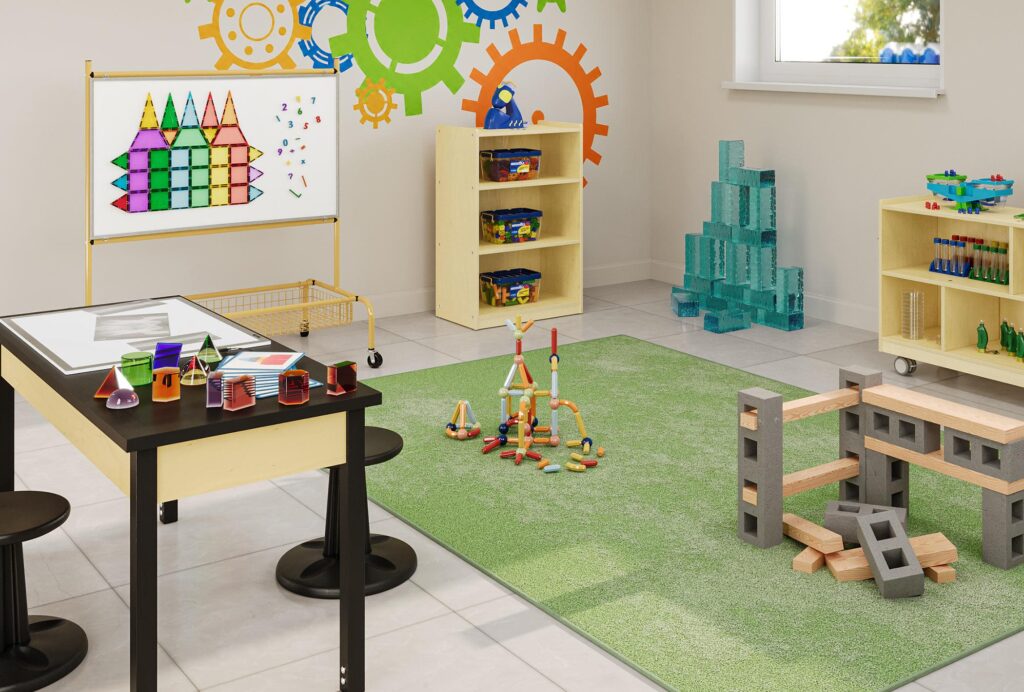
Perhaps one of the least thought about playroom ideas is not cramming the room full.
Leaving open space on the floor allows for puzzle pieces to be spread out, train tracks to be laid, puppet shows to be performed, and even games created that have never even been thought of by adults.
The most inspiring Playroom Inspiration Ideas That Encourage Creative Play are those that embrace the unique personality of your kid while simplifying the daily activities of the entire family.
By blending creativity, comfort, and functionality, you can come up with a place that will grow with your child for many years to come.
We hope you enjoyed going through our Playroom Inspiration Ideas That Encourage Creative Play, We sincerely hope that these playroom designs have inspired you to create an amazing playroom that will be not only fun but also functional.
This way you’ll make sure that your child will not only spend time playing there but will also learn new things.