
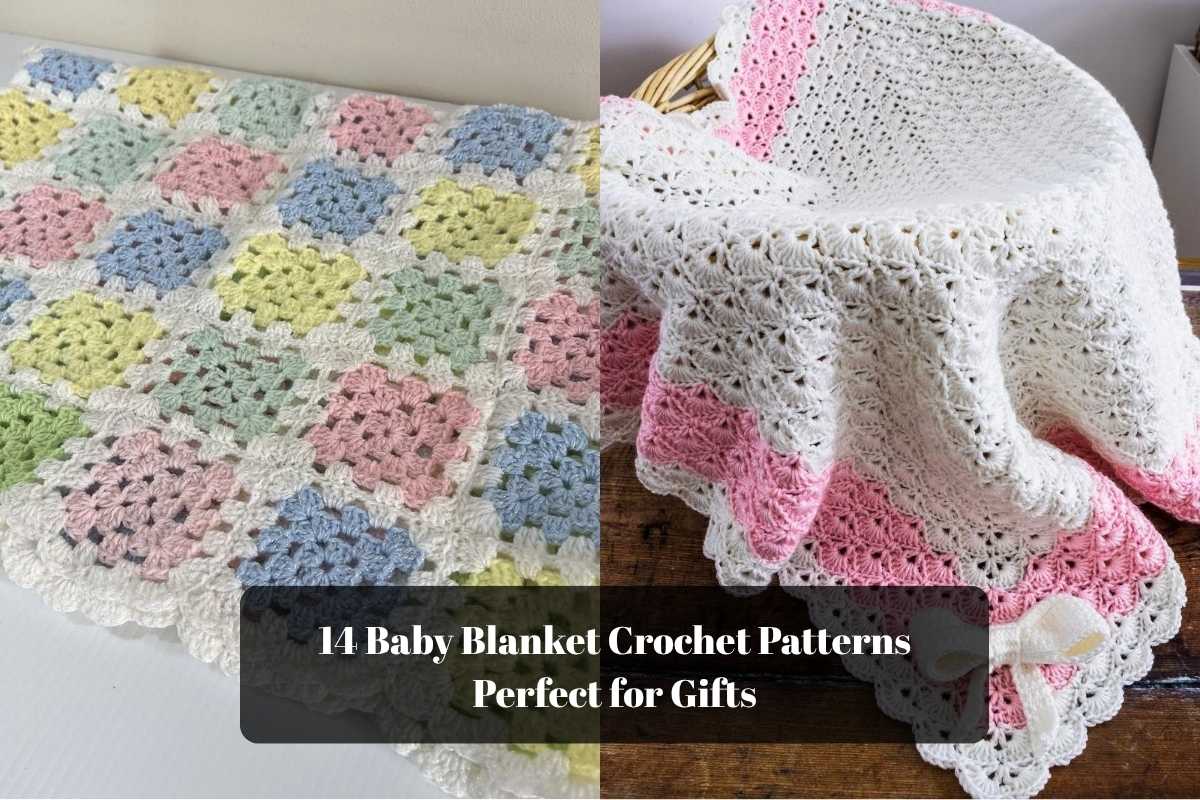
A handmade baby blanket is a thoughtful gift for a baby shower, a new arrival, or a growing little family.
I love how a simple change in yarn color or stitch pattern can give a blanket an entirely different look, from classic granny squares to soft waves and textured designs.
These baby blanket crochet patterns offer plenty of inspiration for different styles and skill levels.
Some feature repeating stitches that are easy to settle into, while others use individual motifs, raised textures, or colorful shapes to create something special.
As you browse the ideas, think about the person making the blanket as well as the person receiving it. Choose a pattern you will enjoy working on, check the finished dimensions, and look for yarn that is easy to care for.
A beautiful gift is even better when the new parents can wash and maintain it without too much trouble.
Classic Granny Square Baby Blanket
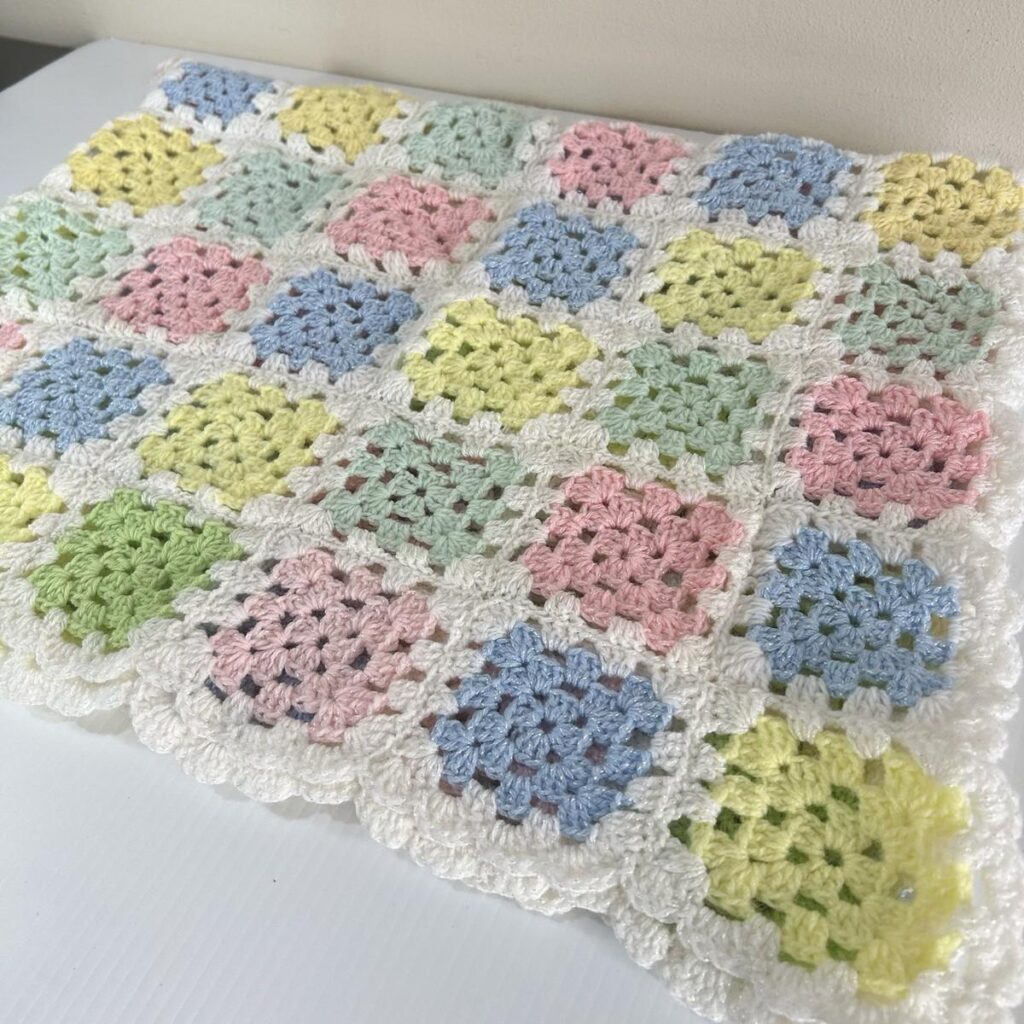
Granny squares are ideal when you want to work on a blanket in small, manageable pieces. You can make the squares while traveling or relaxing, then join them when you have enough.
Three ways to plan your design:
- Coordinated: Repeat the same two or three colors throughout.
- Scrap-friendly: Use leftover yarn in a planned color palette.
- Modern: Make solid-color squares and arrange them in a simple grid.
One thing to decide early is how you will join the squares. A contrasting join creates a visible grid, while a matching yarn gives the blanket a more continuous appearance. Keep your squares consistent in size so the finished blanket lies flat.
Ripple Stitch Baby Blanket
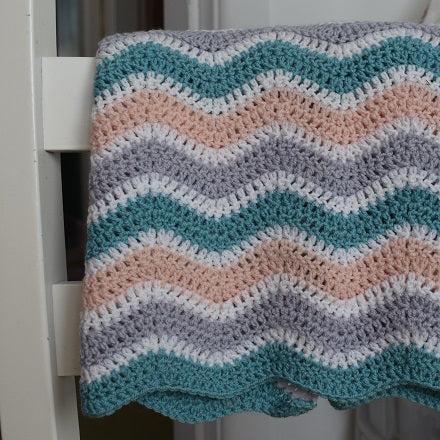
The zigzag lines in a ripple blanket do most of the decorating for you. Even a simple stitch looks eye-catching when worked in waves of color.
Color Combinations to Try
Cream, beige, and sage green.
Powder blue, blush, and pale yellow.
Sage, ivory, and dusty blue.
Watch your stitch count. Ripple patterns depend on correctly placed increases and decreases. If the peaks start looking flat or the valleys shift, check your stitches before continuing.
Moss Stitch Baby Blanket
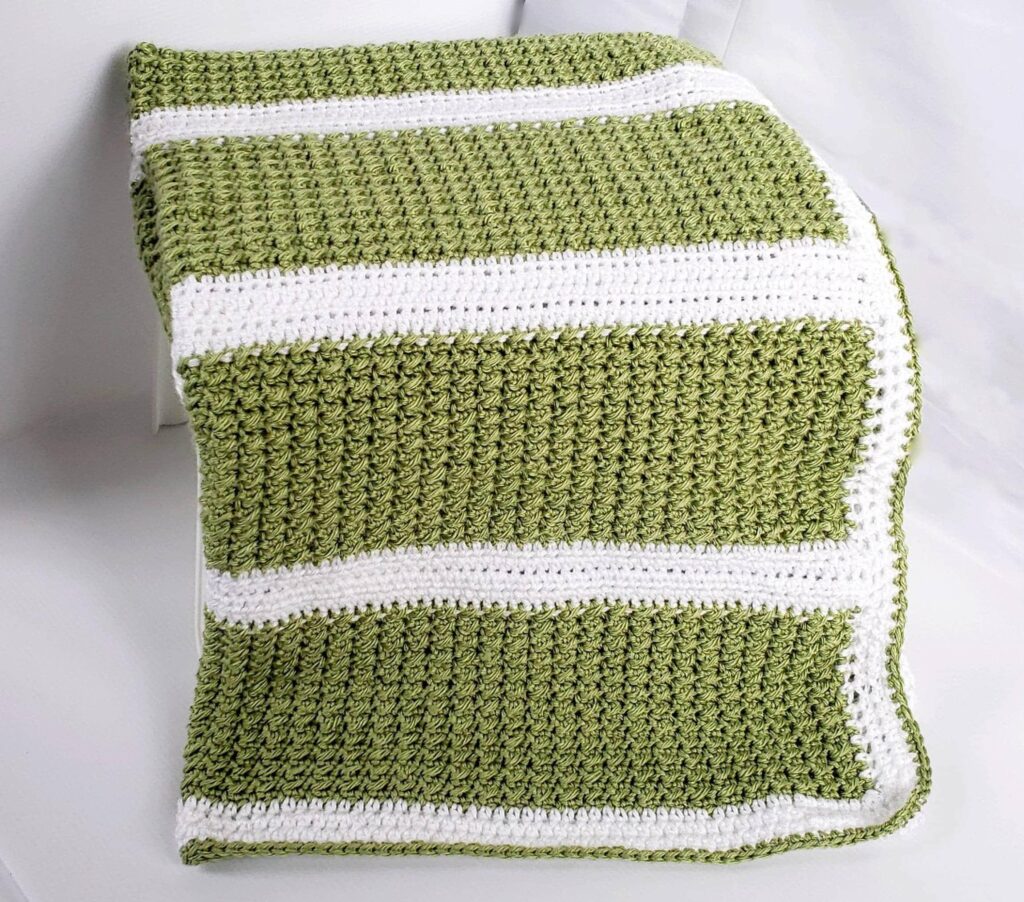
Not every baby blanket needs an elaborate design. Moss stitch creates a small, woven-looking texture that works beautifully in one color or simple stripes.
It’s a good option if you want the stitch pattern to provide subtle detail rather than compete with a busy color scheme.
A useful yarn test: Crochet a small swatch and wash it according to the yarn label. Check whether the fabric feels soft, drapes comfortably, and retains its shape. This is more helpful than choosing yarn based on color alone.
Bobble Stitch Baby Blanket
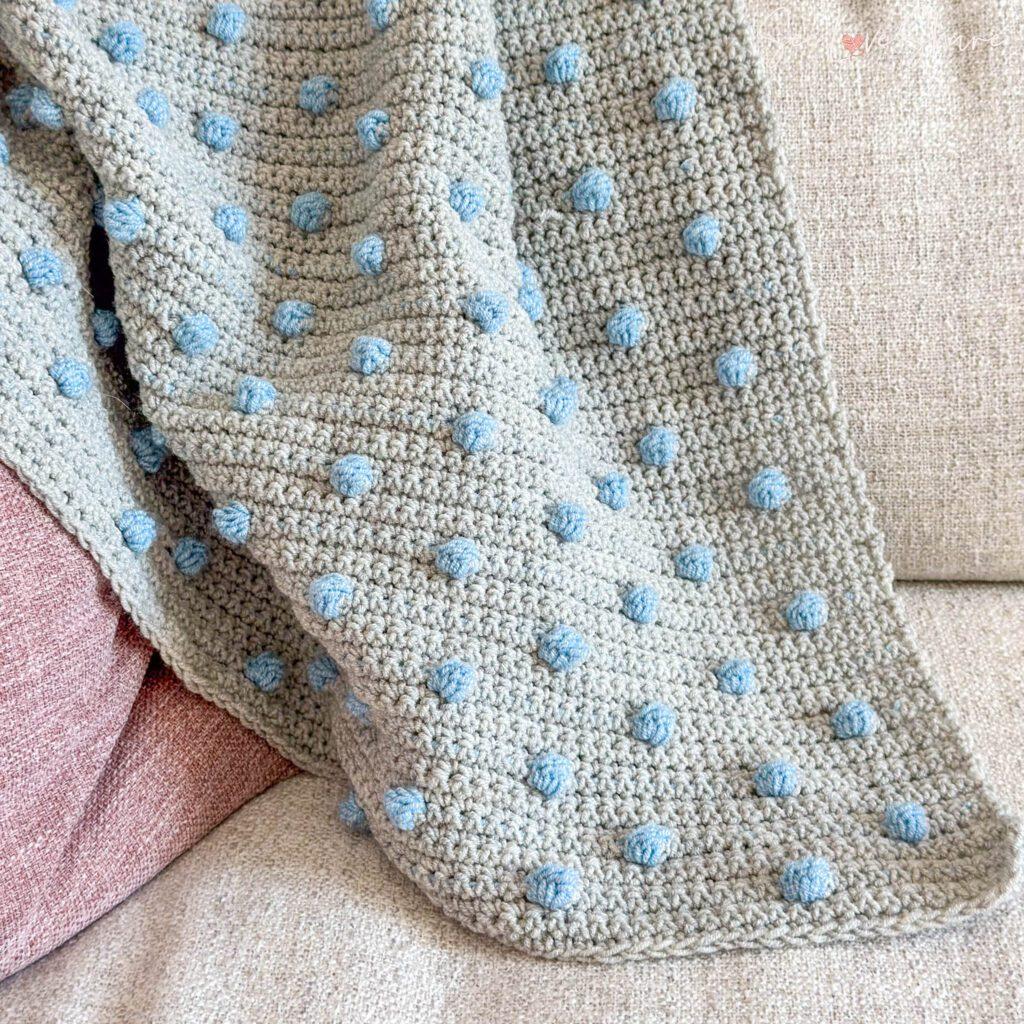
Bobble stitches add raised dots to a blanket, creating a playful texture without needing separate motifs. You can scatter the bobbles across the fabric or arrange them in rows and shapes.
Here’s the design decision to make before you start:
- Bobbles in rows: Create a regular, structured look.
- Bobbles in selected areas: Leave more plain fabric visible.
- Bobbles across the blanket: Give the texture a stronger presence.
Remember that bobbles can use extra yarn and make the fabric thicker. Make a sample first, especially if you’re deciding between two yarn types.
Bobble Rows
Arrange raised stitches in horizontal rows for a neat, repeating design.
Scattered Bobbles
Leave more plain fabric between the bobbles for a lighter visual effect.
Full Texture
Cover more of the blanket with bobbles for a pronounced textured finish.
Keep in mind: Bobble stitches may use more yarn and create a thicker fabric. Test your stitch pattern before beginning the full blanket.
Shell Stitch Baby Blanket
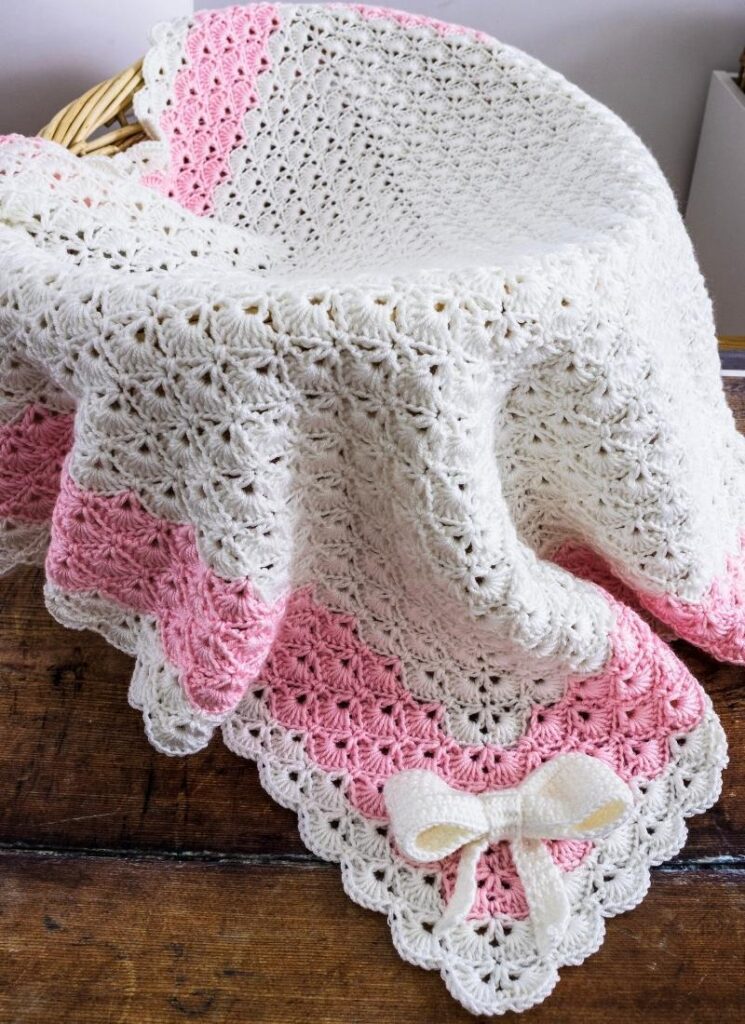
Shell stitches form fan-shaped clusters that give a blanket a decorative, scalloped appearance. This pattern can look detailed without requiring different colors or complicated motifs.
For a polished finish, let the stitch pattern take center stage. A plain yarn often makes the shell shapes easier to see, while a simple border can frame the blanket without overwhelming it.
One detail to check in the pattern is the edge. Shell stitches can create a naturally wavy outline, so the finishing row or border may differ from what you’d use on a straight-edged blanket.
Corner-to-Corner (C2C) Baby Blanket
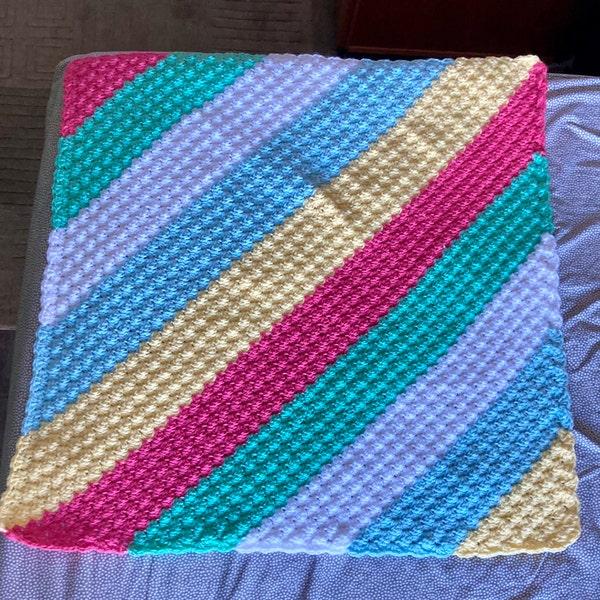
C2C crochet builds the blanket diagonally, making it especially useful for geometric patterns and color-block designs.
Best planning tip: Sketch your color layout before crocheting. A simple grid can help you track where each color belongs, particularly if you’re making a heart or picture.
This method also gives you a practical way to use contrasting colors without changing the stitch pattern itself. If you’re new to C2C, practice the increase and decrease sections first so you understand how the blanket grows and takes shape.
Read More
Waffle Stitch Baby Blanket
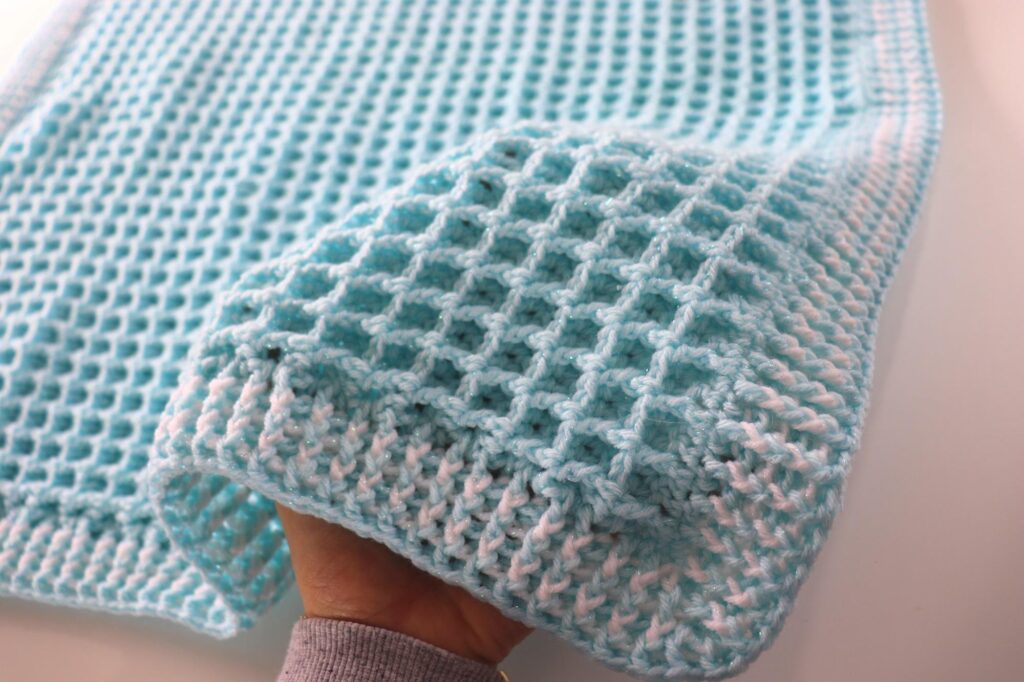
The waffle stitch creates a raised grid with plenty of visual texture. It can make a simple, single-color blanket feel special without stripes, appliqués, or separate motifs.
Before choosing this design, consider the finished fabric. Waffle stitch can be denser and use more yarn than a flatter stitch pattern.
Before You Start Your Waffle Stitch Blanket
- Make a small swatch to check the thickness of the fabric.
- Check whether the texture feels flexible rather than stiff.
- Wash the swatch according to the yarn care label.
- Check the pattern’s yarn requirements before purchasing supplies.
These checks help you decide whether the stitch and yarn combination suits the blanket you’re planning.
Star Stitch Baby Blanket
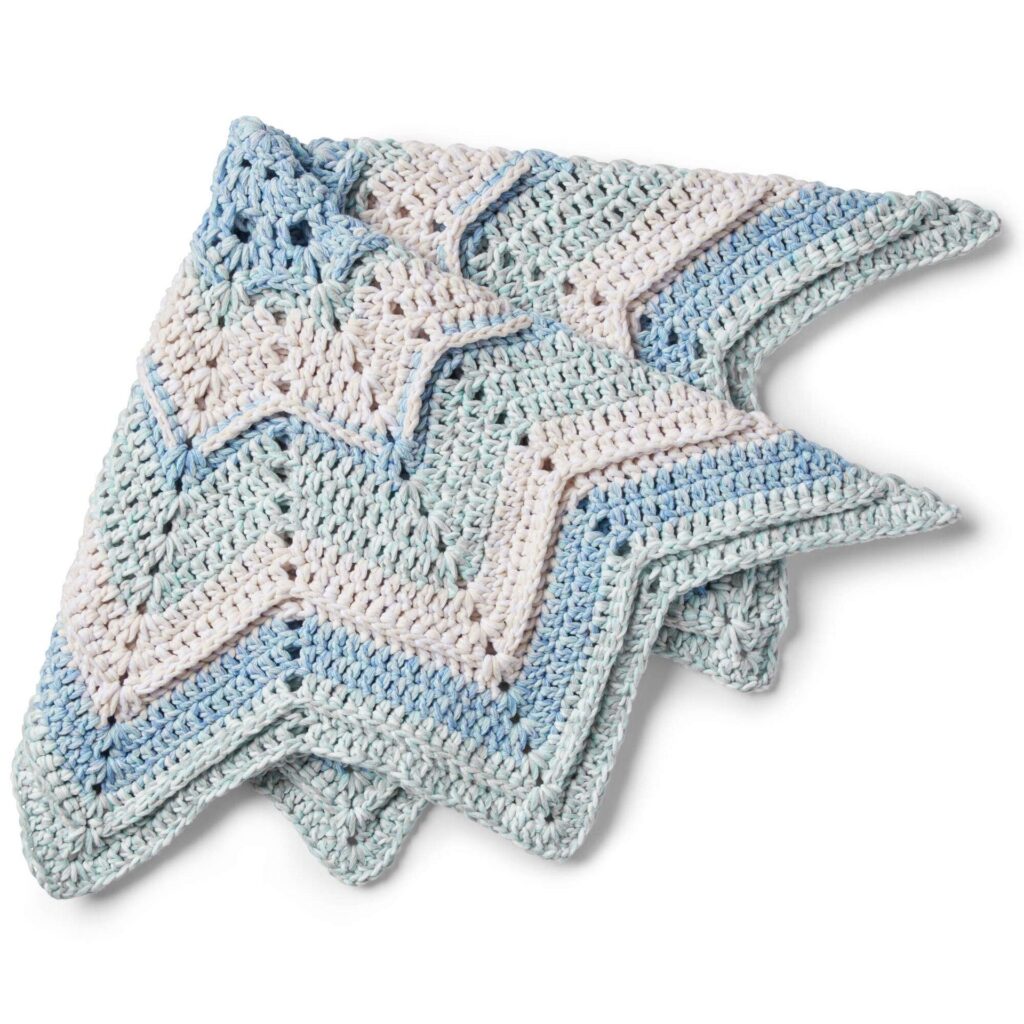
Star stitch creates repeated star-like shapes across the fabric, giving the blanket a decorative look even in a solid color.
The stitch may take a little practice because several loops work together to form each star. Instead of starting with the full blanket, make a sample wide enough to see several repeats.
If you want the texture to stand out, choose a solid or lightly colored yarn. Highly variegated yarn can make the individual shapes harder to distinguish.
Striped Baby Blanket
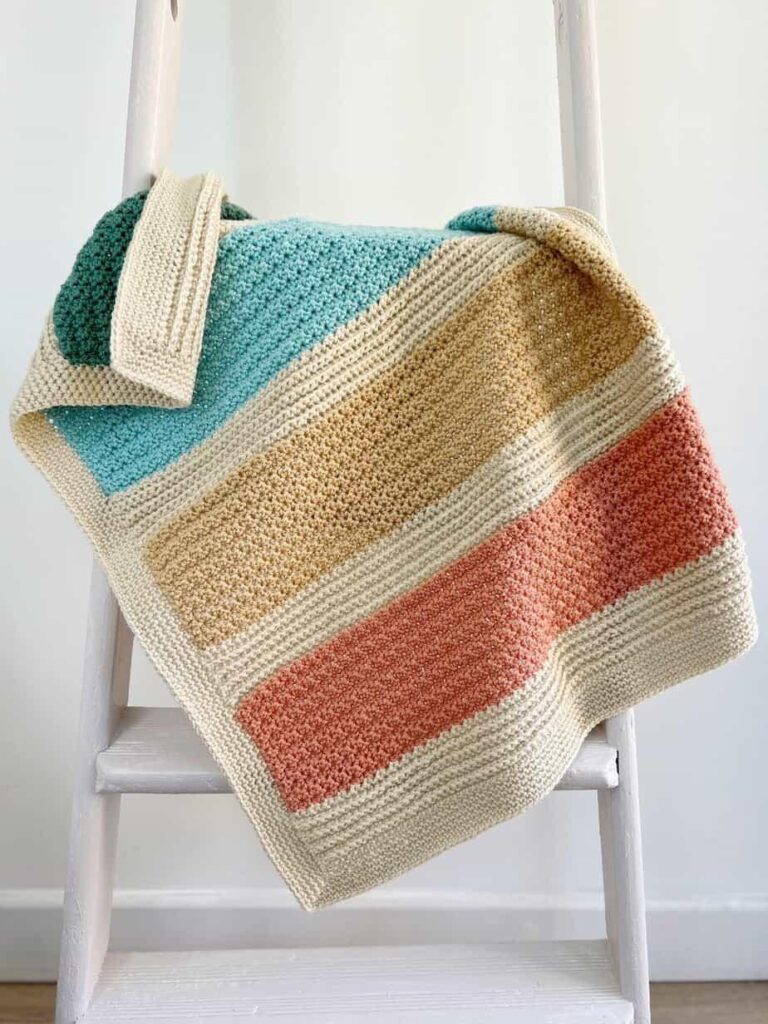
Striped blankets are an easy way to personalize a project without learning a new stitch for every color.
The same pattern can look completely different with narrow stripes, wide bands, or a gradual change from light to dark shades.
One practical consideration is yarn management. Frequent color changes leave more ends to weave in, so use fewer, wider stripes if you want to simplify the finishing work.
| Style | Color Plan | Visual Effect |
|---|---|---|
| Classic | Two alternating shades | Simple and balanced |
| Modern | Wide stripes with a neutral shade | Clean and understated |
| Playful | Several complementary colors | Bright and cheerful |
| Subtle | Different shades of one color | Soft and coordinated |
Basket Weave Baby Blanket
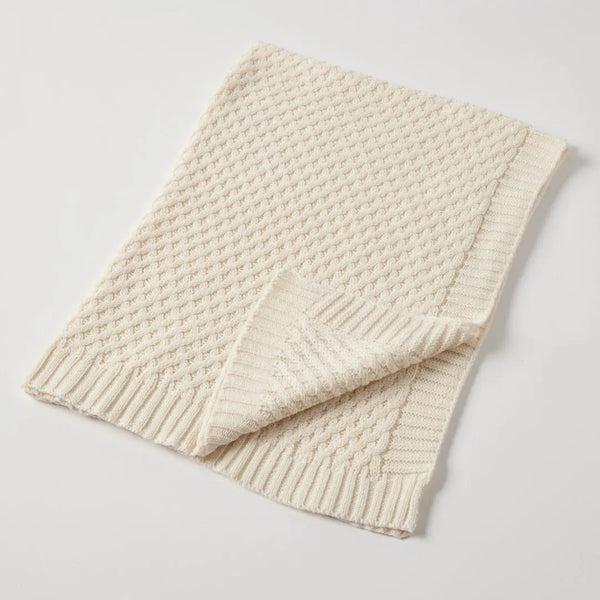
Basket weave crochet imitates the look of woven fabric through alternating raised and recessed stitches. It creates a strong texture without relying on color changes.
The effect usually comes from front-post and back-post stitches, which shift the texture forward and backward. This makes row tracking important because the stitch placement creates the woven blocks.
A small detail that makes a difference: Check the thickness of your swatch before committing to the full blanket.
Basket weave can produce a dense fabric, and your choice of yarn and tension will affect how flexible the finished piece feels.
Hearts Baby Blanket
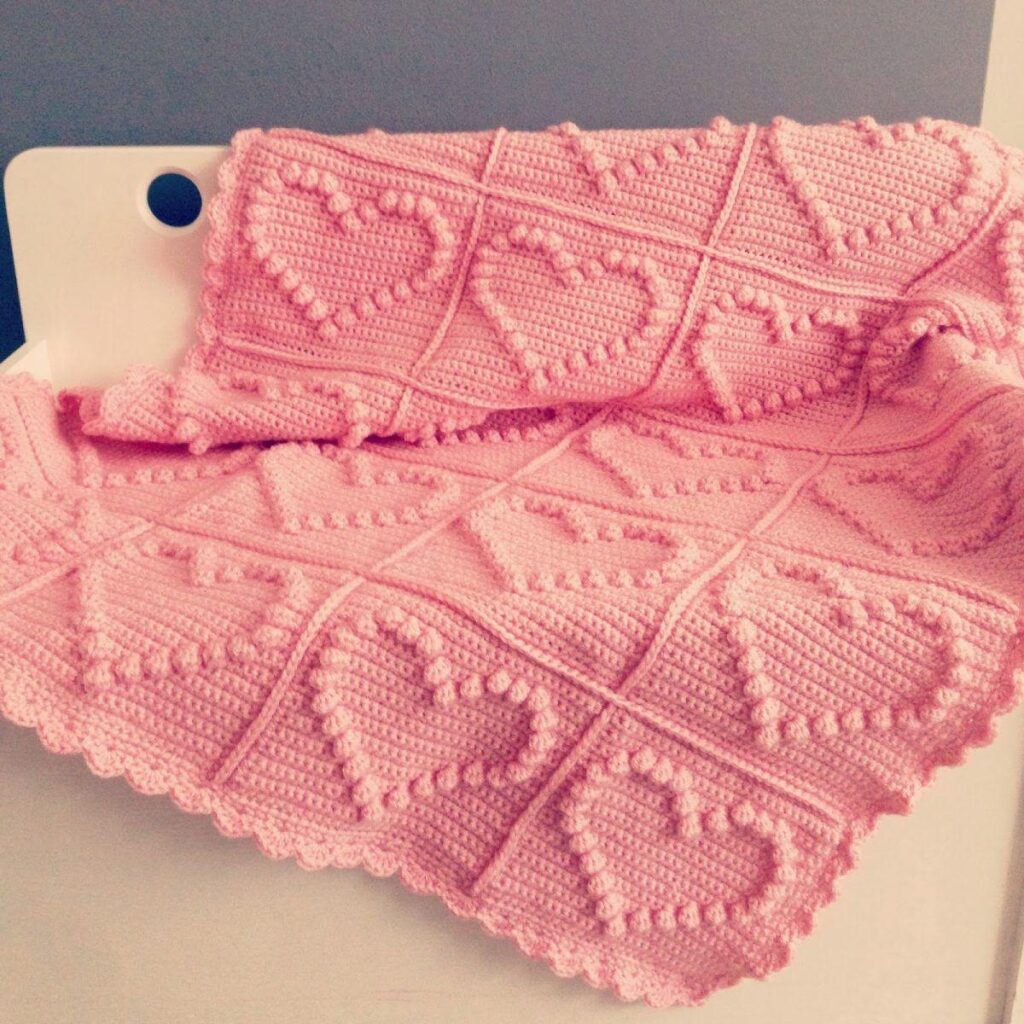
Heart motifs make a sweet addition to a handmade baby blanket, especially when you want to create a personal gift. You can use individual heart-shaped squares, crochet hearts directly into the fabric, or attach separate motifs according to the pattern instructions.
The key is deciding how much contrast you want. Pink hearts on cream look traditional, while white hearts on sage or dusty blue feel more understated.
Try planning the placement before joining the pieces. Spread the motifs out on a flat surface and check that the hearts are evenly distributed. If the design uses separate appliqués, follow the pattern’s attachment instructions and make sure there are no loose pieces or unsecured ends.
Plan Your Heart Blanket Colors
Blush pink hearts with a cream background.
Sage green with ivory or white hearts.
Dusty blue with white or pale yellow hearts.
Hexagon Motif Baby Blanket
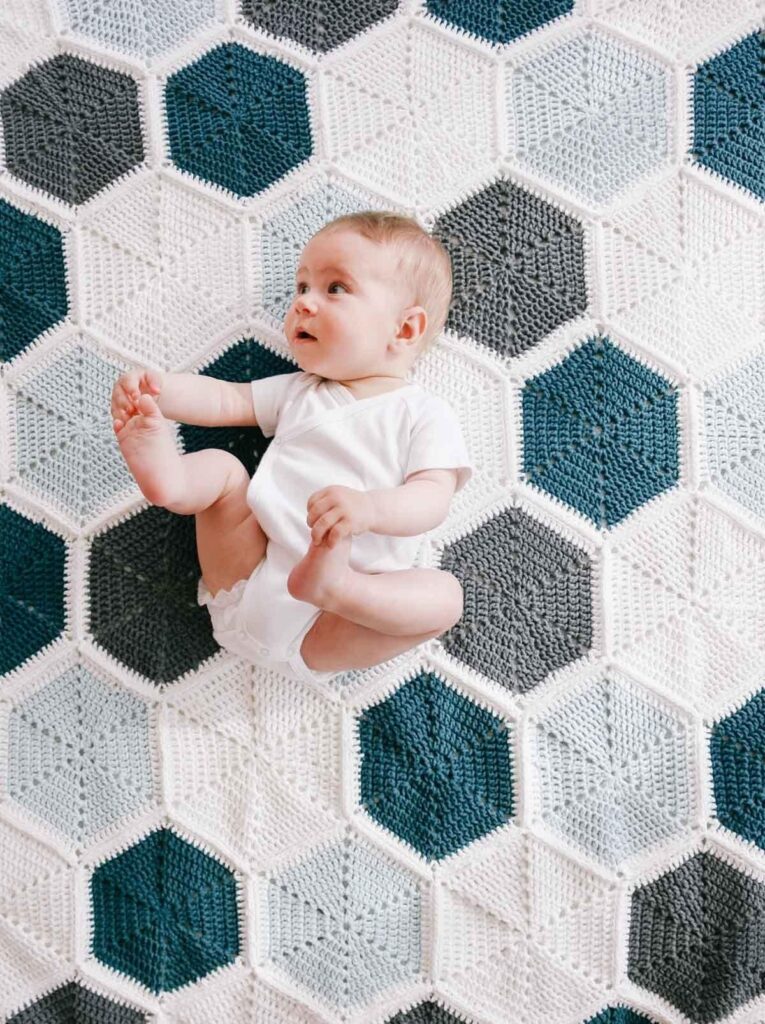
Hexagon motifs offer a different look from the familiar square blanket. Once joined, the six-sided shapes create a geometric design with plenty of room for color combinations.
You can keep every hexagon the same color, alternate two shades, or arrange several colors into a repeating pattern. The finished blanket often needs partial motifs around the outer edges to create a more even shape, depending on the pattern.
Before joining your hexagons
- Check that all motifs have consistent dimensions.
- Block or shape them if the pattern recommends it.
- Arrange the colors on the floor or a large table before joining.
- Follow the pattern’s instructions for filling gaps along the outer edge.
Hexagon Blanket Assembly Checklist
- ✓ Make sure the motifs are consistent in size.
- ✓ Lay out the full color arrangement before joining.
- ✓ Check the pattern for partial edge motifs.
- ✓ Choose a joining method that complements the design.
Tip: Take a photo of your final layout so you can refer to it while joining the pieces.
Daisy Flower Baby Blanket
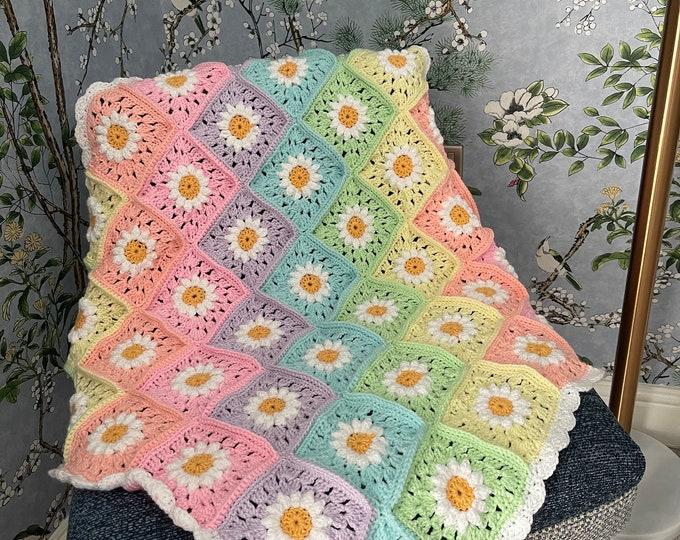
Daisy motifs bring a cheerful floral look to a baby blanket. The flowers can become the main feature, especially when their centers and petals contrast with the surrounding squares.
The color arrangement makes a big difference here. White petals and yellow centers create a familiar daisy look, while pastel petals give the blanket a more colorful finish.
A neutral background can help the flowers stand out without making the overall design feel too busy.
A simple design trick: Choose the flower colors first, then select one background shade to connect the motifs. This creates a consistent look even when you use several petal colors.
Choose a Daisy Blanket Palette
Use one background color to bring your flower motifs together.
White petals, yellow centers, sage background.
Blush petals, pale yellow centers, cream background.
Before assembling the blanket, lay out the flower motifs and check that the colors are balanced across the whole design.
If you’re making flowers with separate pieces, secure them according to the pattern instructions and avoid loose embellishments.
Chunky Chenille Baby Blanket
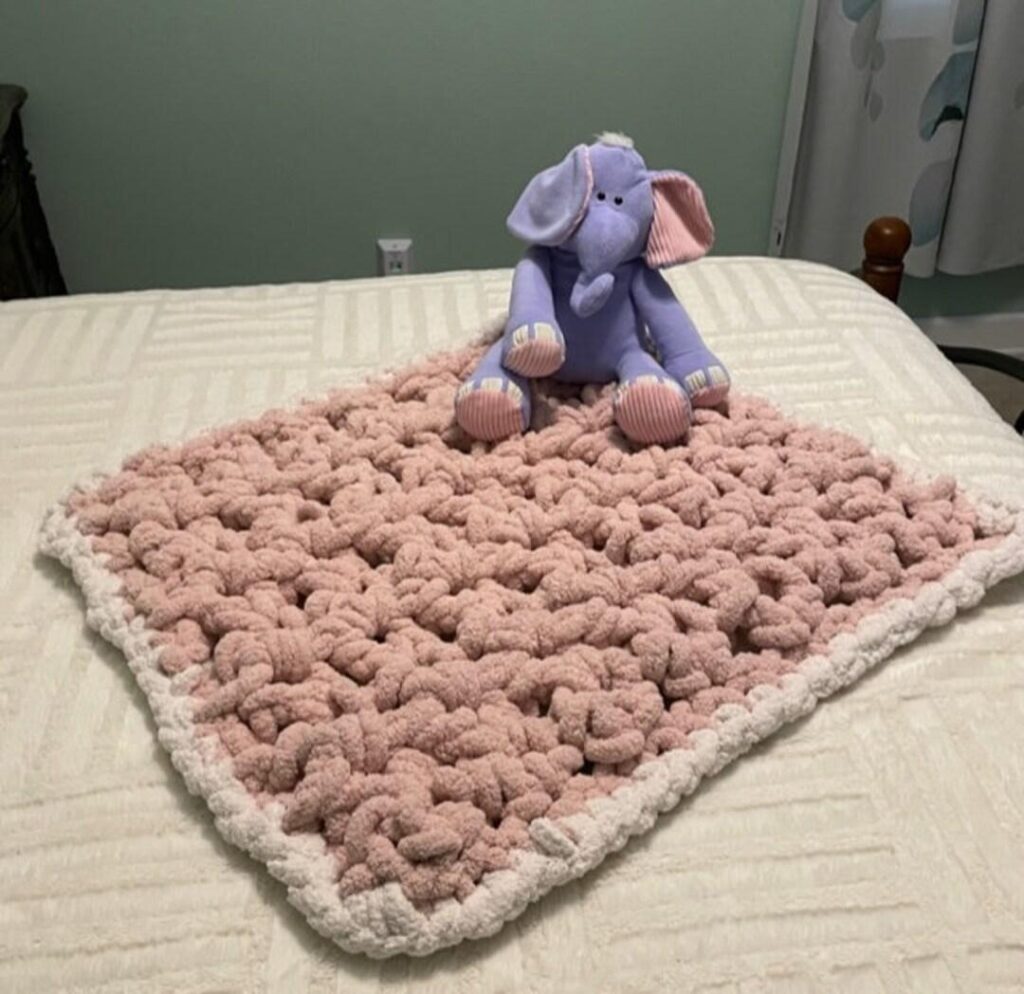
Chenille yarn has a plush, velvety appearance that gives crochet blankets a distinctive finish. It can produce a soft-looking, modern design without complicated stitches, which makes it appealing when you want the yarn itself to do much of the visual work.
There is one catch: the fuzzy surface can make individual stitches difficult to see. If you lose track of a stitch, gently feel along the row rather than pulling at the yarn.
A smooth, simple stitch pattern can also be easier to manage than a design with intricate stitch placement.
Before Buying Chenille Yarn
Check whether the yarn can be washed and dried as needed.
Test whether you can easily find the top of each stitch.
Use the pattern’s estimates and account for the yarn’s weight.
Make a swatch to check the texture, flexibility, and finish.
Chenille yarns can behave differently from one another, so check the manufacturer’s care instructions rather than assuming all plush yarns can be washed the same way. For a baby gift, practical care matters as much as appearance.
The best baby blanket is one you enjoy making and can finish with care. Granny squares offer flexibility, ripple and striped designs let you play with color, and textured stitches create interest even in a single shade.
Before choosing your favorite, consider these three things:
- Your time: Motif blankets require joining and finishing, while repeating stitch patterns can be easier to work on in short sessions.
- Your yarn: Check the care label, estimated quantity, and finished fabric before committing to a large project.
- Your recipient: Choose colors and a style the family will appreciate, and include care instructions with your handmade gift.
A little planning can make the whole process smoother and help you create a thoughtful gift that feels personal.
Remember that crochet baby blankets are not safe for unattended infant sleep. Parents should follow current safe-sleep guidance and keep loose blankets out of the baby’s sleep space.
Ready to Start Your Baby Blanket?
A little planning now can save time later. Use this checklist before you pick up your crochet hook.
Choose a stitch or motif that matches your experience and available time.
Confirm the yarn requirements, care instructions, and finished dimensions.
Test your stitch pattern and see how the fabric feels before making the full blanket.